

How it works
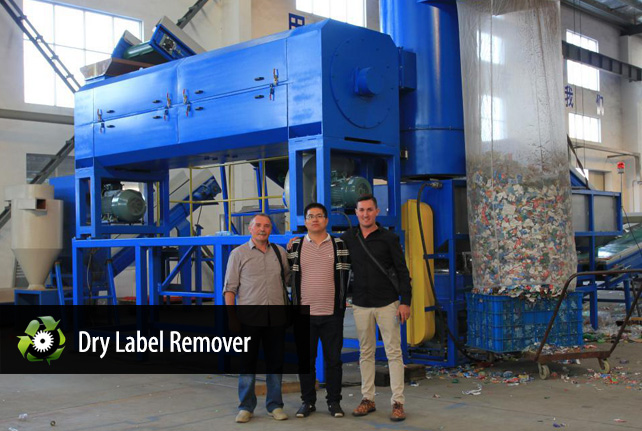
The dry label remover meets virtually all production needs of label separation in PET recycling and plastic bottle recycling lines.
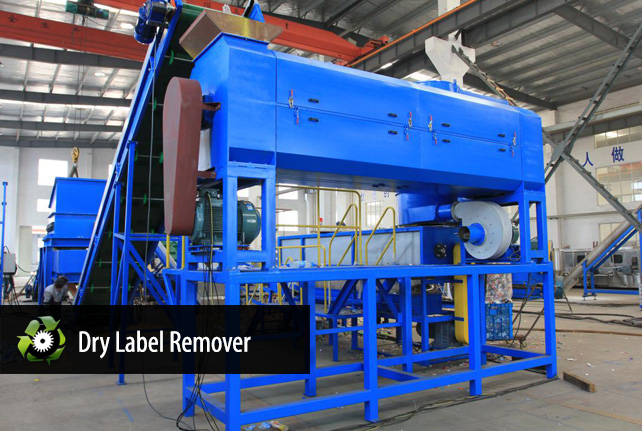
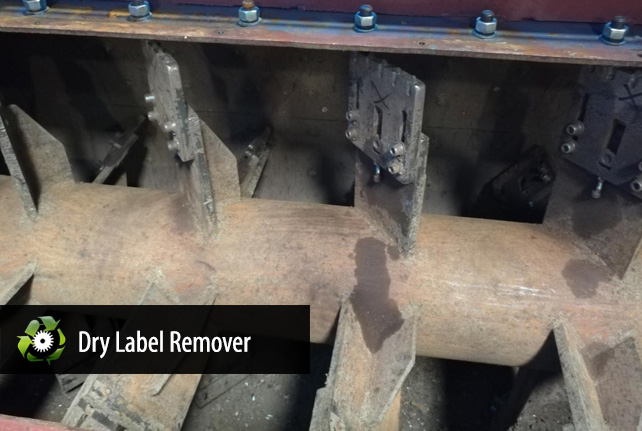
After PET plastic bottles enter into the feeding mouth, sharp, hard alloy knives gashes at the labels. The blades are welded on the spindle at a specific, highly efficient angle. The spindle rotates with the helix and will convey bottles to the discharge end. At this time, the cutter blade peels the labels off. Using wind energy, the bottles and labels are automatically separated. It’s an environmental friendly approach at separation.
Features
- Adopts imported, sharp alloy knives to ensure long-time wear-resistance.
- Claw-shaped knife is welded by copper, while large welding area guarantees firmness and stability.
- Knives can be easily changed and replaced.
- Rate of label removal is greater than 95%.
- Machine focuses on separate various labels from PET plastic bottles, which makes it the indispensable and perfect device before plastic bottles crushing and further cleaning.
- Friction teeth plate and screw is wear-resistance and replaceable.
- The successful research and development of our PET bottle label remover machine fundamentally changes current industry situation-artificially peel off the label.
Additional Images
Place an Order
The general lead time for all single-piece, standard equipment orders is 30 days. For custom orders or complete washing lines, the lead time is between 60 – 90 days. The actual lead time will depend heavily on the complexity of the project as well as the amount of machinery we have in queue at the time of your order.
Contact us to discuss pricing and ordering details. Here is a brief summary of our ordering procedures.
Frequently Asked Questions
How does a dry label remover work?
PET bottles enter through the feeding mouth, where sharp, hard alloy knives welded onto the spindle at a highly efficient angle gash the labels. The rotating spindle works with the helix to convey bottles toward the discharge end while the cutter blades peel the labels off. Wind energy then automatically separates the bottles from the loosened labels — a dry, environmentally friendly approach that uses no water.
What label removal rate can the machine achieve?
The removal rate is greater than 95%. Actual results depend on label type, adhesive strength, and bottle condition, but the combination of alloy knives, friction teeth plate, and air separation consistently strips the vast majority of labels before the bottles move on to crushing and washing.
What types of bottles and labels can it handle?
The machine is designed for PET plastic bottles carrying various label types. It meets virtually all production needs of label separation in PET recycling lines. If your feedstock includes unusual label materials or heavy shrink sleeves, consult the engineering team to confirm suitability for your specific stream.
Where does the dry label remover fit in a recycling line?
It sits at the front of the line, before crushing and further cleaning. Removing labels early keeps label fragments and adhesives out of the granulator and wash stages, which improves flake purity, reduces wear on downstream blades, and lowers the chemical load needed in hot washing.
What maintenance does the machine require?
The knives are designed for easy changing and replacement, and the friction teeth plate and screw are wear-resistant yet replaceable. Imported sharp alloy knives offer long wear resistance, but routine inspection of knife edges, welds, and the air separation path keeps the removal rate high and prevents unplanned stops.
When should I choose dry label removal over wet label removal?
Dry removal is the cleaner, more economical choice for typical PET bottle streams: it uses no water, adds no effluent, and handles most label types at over 95% removal. Wet label removal may still be preferable for bottles with stubborn adhesives or where the downstream process already includes intensive hot washing. Many plants use dry removal first and let the washer finish the job.