

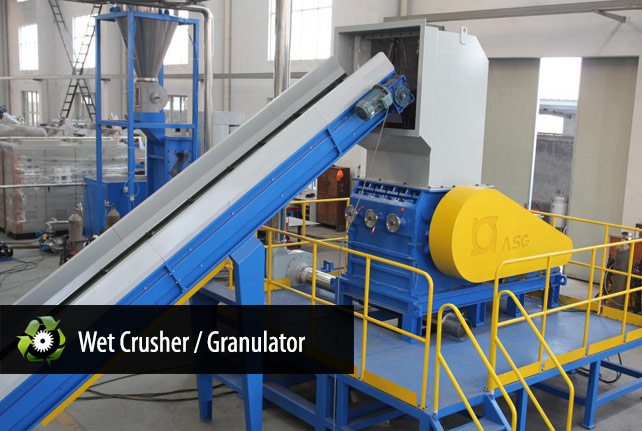
Wet Crusher Granulator for PET Recycling
Introduction to Wet Crusher Granulators
In the plastic recycling industry, efficient size reduction is critical for processing materials like PET bottles and plastic films. Wet crusher granulators are specialized machines designed to operate at high rotational speeds—typically between 200 to 800 RPM—using heavy-duty, often adjustable knives mounted on an open, hollow rotor. As these high-speed blades interact with stationary counterparts on the granulator housing, they cut feedstock into consistent flakes or regrinds. A sizing screen at the base ensures output uniformity, with particles usually ranging from several inches down to 1/8 of an inch.
What sets wet granulators apart is the integration of a continuous water spray into the cutting chamber. This feature is particularly beneficial in washing lines, as it not only reduces material size but also pre-cleans contaminants from plastics. The water acts as a lubricant, minimizing heat and friction to extend blade life and reduce maintenance frequency.
How a Wet Crusher Granulator Works
Wet crusher granulators are engineered for durability and efficiency in demanding recycling environments. The process begins when plastic feedstock enters the cutting chamber. Rotating and stationary blades work in tandem to shred materials, while a constant water stream is injected into the system. This serves multiple purposes: it suppresses dust, reduces operational noise, cools the blades, and initiates the cleaning process by rinsing away dirt and residues.
The presence of water is a game-changer for recycling operations. It allows the machine to handle dirty or contaminated plastics without premature blade wear or overheating. The sized material exits through a perforated screen, ensuring consistency ideal for subsequent washing, drying, and pelletizing stages. For businesses investing in a full washing line, incorporating a wet granulator from a reputable manufacturer like ASG Machine can significantly improve throughput and end-product quality.
Advantages of Using a Wet Granulator in Recycling Lines
- Enhanced Cleaning Efficiency: The water spray provides an initial wash, removing adhesives, labels, and surface contaminants.
- Extended Blade Lifespan: Water reduces friction and heat, lowering the need for frequent sharpening or replacement.
- Dust and Noise Reduction: Wet operation minimizes airborne particles and creates a safer, quieter workplace.
- Higher Throughput: Designed for continuous operation, these granulators can process large volumes of material per hour.
- Versatility: Suitable for a variety of plastics, including PET, HDPE, LDPE, and PP.
Key Specifications and Model Comparison
When selecting a wet crusher granulator, it’s essential to review technical specifications to match the machine to your operational needs. Below is a detailed comparison of popular models:
| Model # | Rotor Diameter | Knife Width | Rotating Speed | Motor Power | Capacity |
|---|---|---|---|---|---|
| SWP630-1000 | ⌀630mm | 1000mm | 470 rpm | 55 KW | 1000 kg/h |
| SWP630-1200 | ⌀630mm | 1200mm | 470 rpm | 55 KW | 1200 kg/h |
| SWP700-1000 | ⌀700mm | 1000mm | 470 rpm | 75 KW | 1500 kg/h |
| SWP700-1200 | ⌀700mm | 1200mm | 470 rpm | 75 KW | 1800 kg/h |
| SWP800-1000 | ⌀800mm | 1000mm | 470 rpm | 90 KW | 2000 kg/h |
| SWP800-1200 | ⌀800mm | 1200mm | 470 rpm | 90 KW | 2500 kg/h |
Industry Applications and Trends
Wet crusher granulators are widely used in plastic recycling facilities, especially those processing post-consumer PET bottles and agricultural films. The global push toward circular economy models has increased demand for efficient, reliable size-reduction equipment. Innovations include improved blade materials for longer life, smart monitoring systems for predictive maintenance, and energy-efficient motors that reduce operational costs.
Brands like ASG Machine are at the forefront, offering machines that integrate seamlessly with full washing lines, providing end-to-end solutions for recyclers worldwide.
Buying Guide: Choosing the Right Wet Granulator
- Throughput Requirements: Match the machine’s capacity with your daily processing goals.
- Material Type: Ensure the granulator can handle the specific plastics you recycle.
- Maintenance Needs: Opt for models with easy access to blades and screens.
- Water Usage: Consider water recycling systems to minimize consumption.
- Supplier Reputation: Choose established manufacturers known for reliability and service.
Additional Images
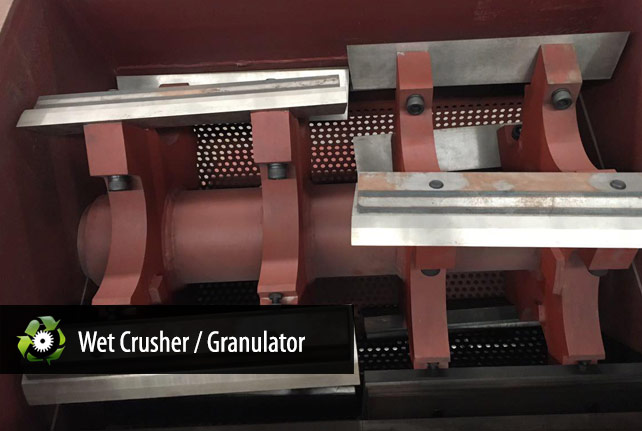
Wet Crusher Granulator in Action
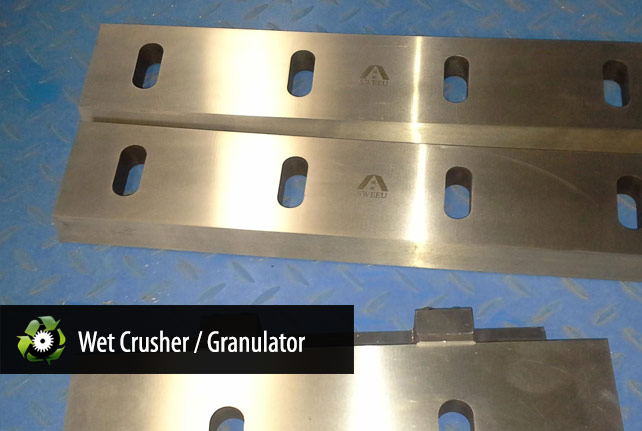
Industrial Wet Granulator Setup
Frequently Asked Questions
What materials can a wet granulator process besides PET bottles?
Wet granulators handle a broad range of rigid and semi-rigid plastics, including HDPE, LDPE, PP, PS, and PVC, as well as plastic films and thermoformed scrap. Because the water spray cools the cutting chamber and rinses away dirt, contaminated or mixed post-consumer feedstock runs with less blade wear. Screen size and knife clearance may need adjustment when switching between bottle flakes and film.
How do I choose between the SWP630, SWP700, and SWP800 models?
Size the granulator to your washing line’s rated throughput, not just average feed. SWP630 models suit 1,000–1,200 kg/h lines, the SWP700 covers 1,500–1,800 kg/h, and the SWP800 reaches 2,000–2,500 kg/h. Leave 10–20% headroom for surge feeding and future expansion, and confirm your electrical supply can support the 55–90 kW motor range before ordering.
Why is water injection so important for dirty PET feedstock?
A continuous water spray cools the blades, suppresses dust, and lowers noise inside the cutting chamber. More importantly, it pre-washes surface dirt, label fragments, and adhesive residue off the flakes before they reach the main washing stages. That reduces the contamination load downstream, extends blade life by cutting heat and friction, and typically yields cleaner flakes with less re-washing.
How often do wet granulator blades need sharpening or replacement?
With water cooling and reasonably clean feedstock, blades typically need sharpening every 400–600 operating hours. Abrasive contaminants like sand, glass, or metal fines shorten that interval, so a metal detector upstream is a smart precaution. Keep a spare knife set on site for quick swaps. Dull blades reveal themselves through oversized flakes, rising motor current, or falling throughput.
What installation requirements should I plan for?
Plan for 55–90 kW of three-phase power depending on the model, plus a reliable water supply and drainage for the spray system — a recirculation tank keeps water consumption low. Allow working clearance around the housing for screen changes and knife access, and route the discharge into your washing tank or conveyor. Anchor the frame to a level concrete pad to control vibration.
Where does the wet granulator sit in a complete PET bottle washing line?
It is the first size-reduction stage: whole or pre-sorted bottles enter the cutting chamber and exit as washed flakes through the sizing screen. Those flakes then flow through hot washing, friction washing, rinsing, and centrifugal drying before pelletizing. Specifying the granulator together with the washing line keeps capacities matched and avoids a bottleneck at the front of the line.
Place An Order
The general lead time for all single-piece, standard equipment orders is 30 days. For custom orders or complete washing lines, the lead time is between 60 – 90 days. The actual lead time will depend heavily on the complexity of the project as well as the amount of machinery we have in queue at the time of your order.
Ready to improve your PET recycling efficiency? Contact ASG Machine to discuss your wet crusher granulator requirements, or explore our complete PET bottle washing line solutions.