

Description
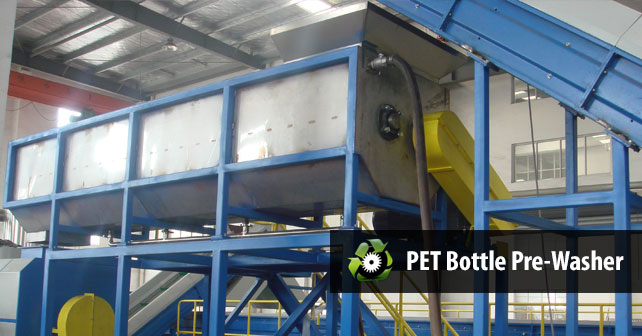
A Pre-washer cleans the PET bottles before granulating and is normally placed after a debaler. Approximately 90% contamination can removed through this equipment.
How It Works
The double screws inside mix the PET bottles while water is continuous sprayed from the top to clean the surface of the bottles. The client can choose to use either cold or hot water to clean the bottles.
Models & Specifications
To ensure the durability of ASG’s pre-washer, the pre-washer is made from 304 stainless steel.
| Drum Diameter: | Φ500㎜ |
| Drum Length: | 4000mm |
| Motor Power: | 11KW |
| Rotary Speed: | 40rpm |
Place An Order
The general lead time for all single-piece, standard equipment orders is 30 days. For custom orders or complete washing lines, the lead time is between 60 – 90 days. The actual lead time will depend heavily on the complexity of the project as well as the amount of machinery we have in queue at the time of your order.
Contact us to discuss pricing and ordering details. Here is a brief summary of our ordering procedures.
Frequently Asked Questions
What contamination does a PET bottle pre-washer remove?
The pre-washer removes roughly 90% of surface contamination: loose dirt, sand, dust, and label fragments. Twin screws tumble the bottles while water sprays continuously from above, scrubbing bottle surfaces before they reach the granulator. This early cleaning step protects granulator blades from abrasive grit and lightens the load on the main washing stages downstream.
Where does the pre-washer sit in the recycling line?
It sits right after the debaler and before the granulator — bottles are opened from bales, pre-washed whole, then granulated into flakes. Washing whole bottles first is efficient because dirt and sand are removed before size reduction spreads them through the flake stream. The cleaned bottles then feed granulation, hot washing, rinsing, and drying.
Should I run the pre-washer with cold or hot water?
Both work; the choice depends on your feedstock and operating budget. Cold water handles loose dirt and dust at the lowest energy cost. Hot water cuts through oils, sugary residues, and stubborn adhesives more effectively but needs a heater and more energy. Many plants start with cold water and switch to hot when processing heavily soiled bottles.
What are the specifications of ASG’s pre-washer?
The unit shown uses a Φ500 mm diameter drum, 4000 mm long, driven by an 11 kW motor at 40 rpm, with the contact parts built from 304 stainless steel for corrosion resistance in constant wet operation. Confirm the rated throughput with ASG against your line capacity — the pre-washer must keep pace with the debaler feeding it and the granulator behind it.
What maintenance does a pre-washer need?
Stainless construction keeps corrosion low, but the wear points need attention: check spray nozzles for clogging, inspect the twin screws and drum interior for wear, and clean the water collection and drainage screens so dirty water exits freely. In hard-water areas, descale nozzles periodically. A simple daily rinse-down prevents residue buildup.
Does the pre-washer replace the main washing stages?
No. The pre-washer is a first-pass cleaner that removes the bulk of loose contamination cheaply. Granulated flakes still need hot washing, friction washing, and rinsing to reach the cleanliness buyers expect — especially for food-contact rPET. Skipping the main wash after pre-washing would leave adhesive residue and fine contaminants in the final flakes.