

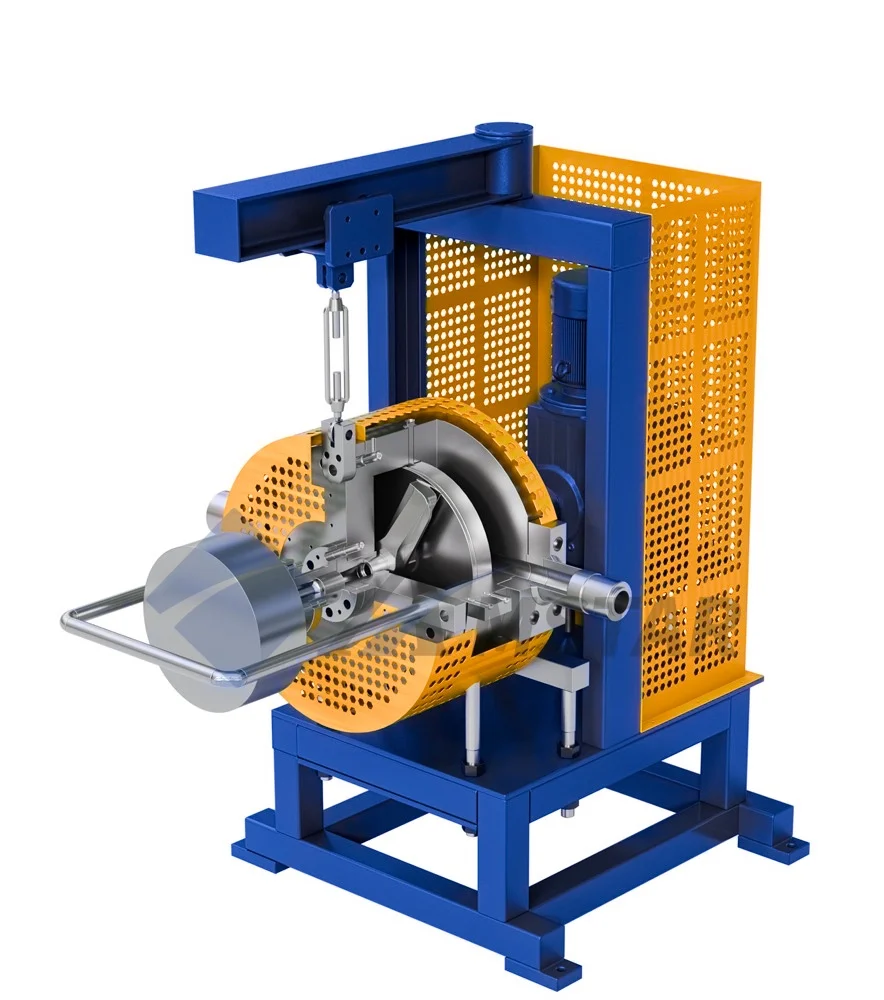
Built for Tough Contaminants. Engineered for Purity.
ASG’s Laser Filter System is designed to address one of the most critical challenges in plastic recycling: the efficient removal of solid industrial contaminants such as wood chips, paper fibers, stones, metal flakes, and other non-melting residues.
Whether handling post-consumer waste, agricultural film, or rigid packaging, the ASG Laser Filter ensures stable filtration, high slag discharge efficiency, and minimal material loss—even with the dirtiest input materials.
Key Advantages at a Glance
| Feature | Description |
| Targeted Impurity Removal | Specially optimized for non-melting industrial solids like wood, paper, and stone. |
| Two-Stage Filtration | Integrated coarse + fine filtering in one step — ideal for heavily contaminated materials. |
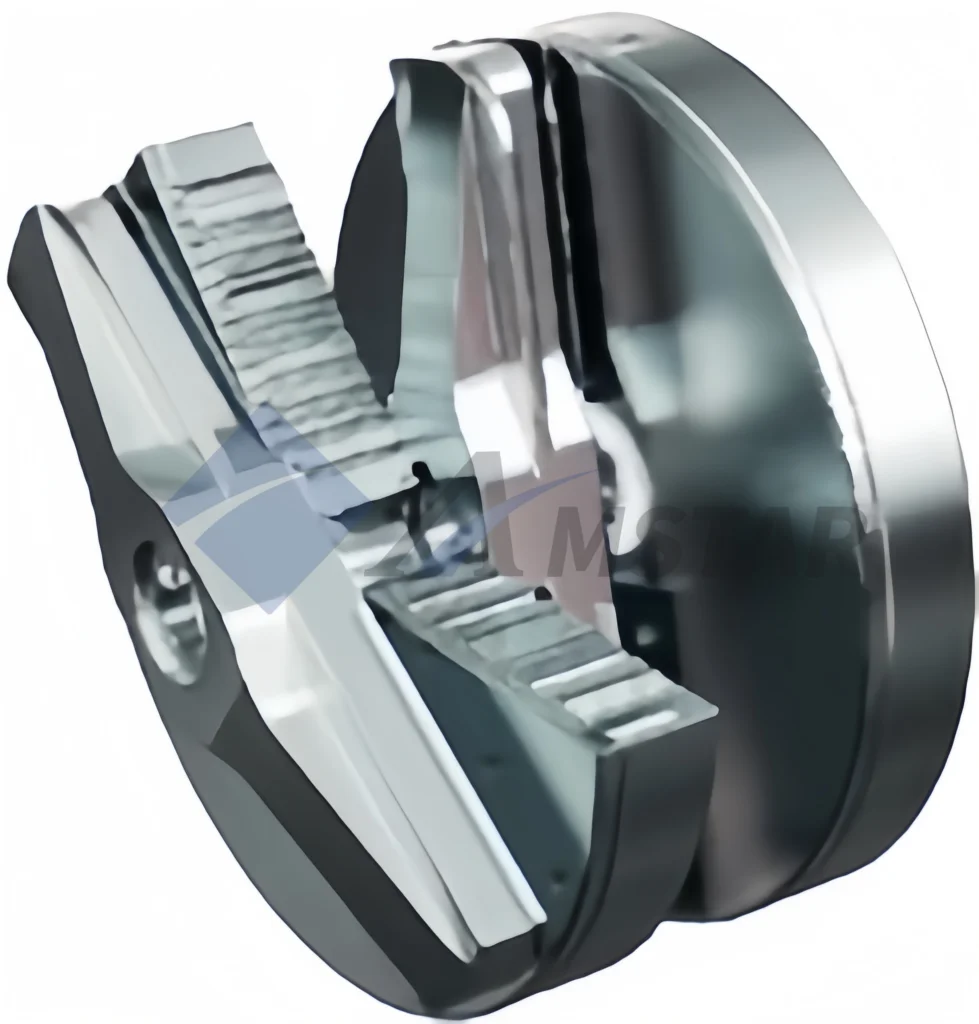
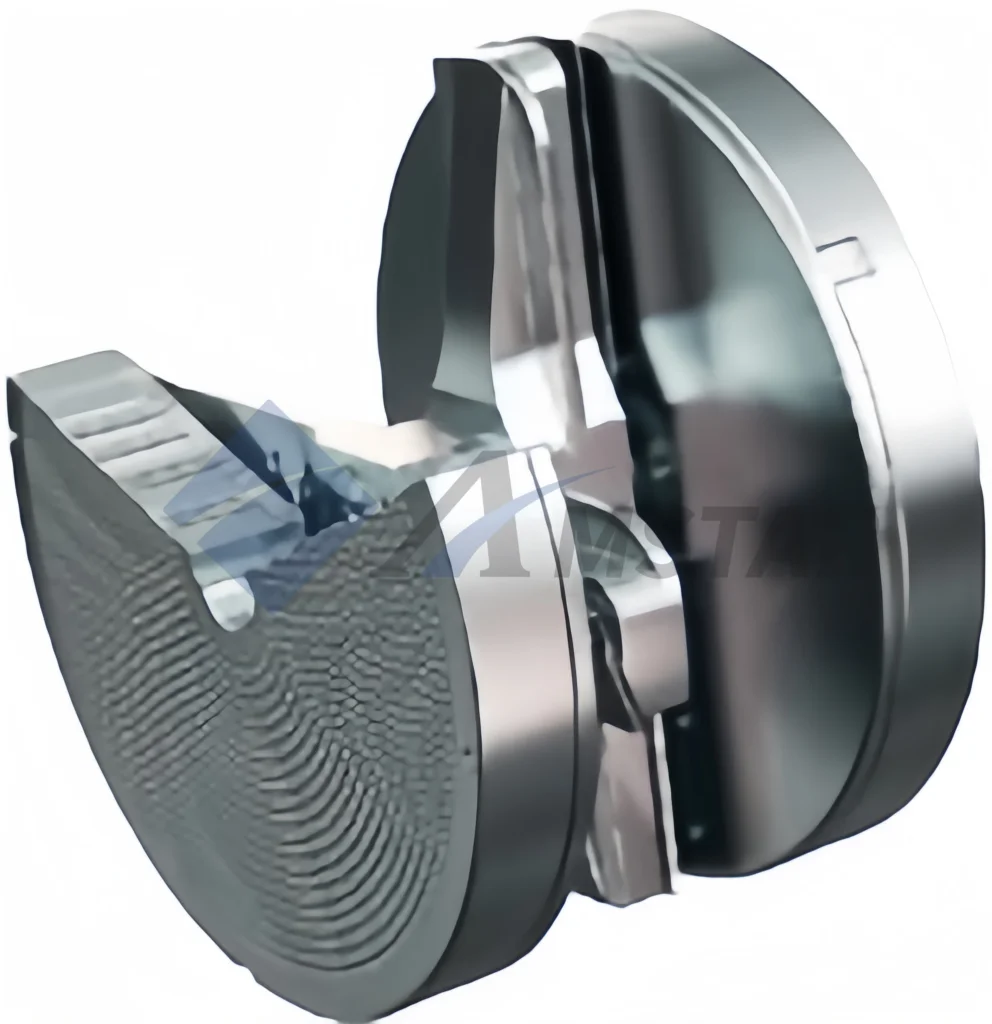
| Self-Cleaning Disc System | Laser-drilled disc filter with continuous or manual/automatic cleaning modes. |
| Pressure Monitoring | Equipped with real-time pressure sensors to regulate filter cleaning and avoid clogging. |
| Low Waste | Efficient slag removal reduces polymer loss during continuous operation. |
Working Principle
The ASG Laser Filter employs a rotating disc system featuring laser-drilled micro-holes. As the melt flows across the filter surface:
- Coarse filtration captures larger contaminants like paper and wood.
- Fine filtration ensures downstream equipment receives high-purity melt.
- Slag removal is triggered by pressure thresholds or cleaning cycles, either automatically or via manual control.
This results in continuous, non-stop filtration — no production halt, no manual mesh changing.
Technical Specifications – Microfilt Disc Filter Series
| Model | Disc Diameter (mm) | Filtration Area (cm²) | Capacity (kg/h) |
| AMS-400 | Ø400 | 1100 | 200–300 |
| AMS-500 | Ø400 | 1700 | 400–500 |
| AML-400 | Ø400×2 | 1100×2 | 600–800 |
| AML-500 | Ø500×2 | 1700×2 | 1000–1500 |
Mesh Options: 60 / 70 / 80 / 100 / 120 / 130 / 140 / 150
Micron Range: 250μm – 106μm
Why ASG Laser Filter?
✅ Reliable under pressure – Stable performance even in high-contaminant streams
✅ Fast & efficient cleaning – Disc rotation and pressure-triggered auto-purge
✅ Reduced downtime – No mesh replacement required
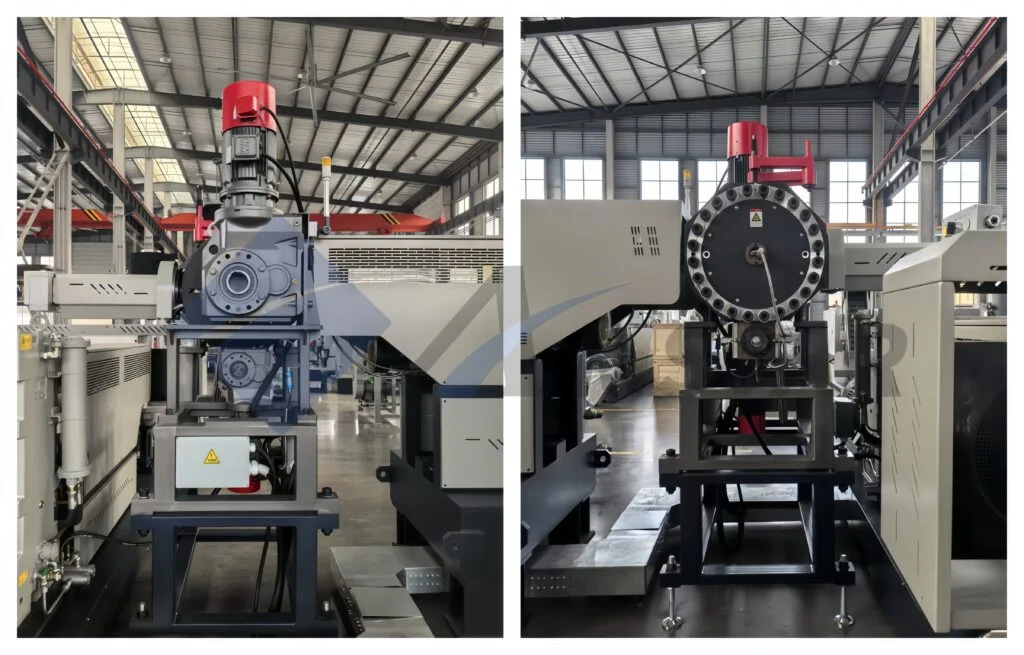
✅ Integrated into complete ASG recycling lines – from washing to extrusionTechnical Specifications – Microfilt Disc Filter Series
Application Scenarios
• Post-consumer rigid plastic recycling
• Agricultural film with sand, wood, or fiber
• Industrial waste film or woven bags
• HDPE/LDPE film pellets with high impurity content
• Recyclers needing to upgrade filtration for higher-quality pellets
Comparison Chart
• Traditional Screen Changer vs ASG Laser Filter (Pressure stability / Waste / Downtime)
| Feature | Traditional Screen Changer | ASG Laser Filter System |
| Cleaning Mode | Manual screen replacement | Self-cleaning (auto/manual adjustable) |
| Operation Mode | Intermittent (requires downtime) | Continuous operation |
| Pressure Stability | Fluctuates during clogging | Stable, real-time pressure monitoring |
| Material Waste | High during filter change | Minimal due to efficient slag discharge |
| Filter Precision Options | Limited mesh range | 250–106 μm (60–150 mesh) available |
| Maintenance Frequency | High | Low |
| Best For | Lightly contaminated melt | Highly contaminated industrial melt |
Ready to Upgrade Your Filtration?
Whether you need a stand-alone filter or a complete recycling line, ASG’s engineering team will help you customize the right solution for your application.
INQUIRIES
To learn more about this product, please send us a message using the form below:
Frequently Asked Questions
What contaminants does the laser filter remove?
The system targets solid, non-melting industrial contaminants: wood chips, paper fibers, stones, metal flakes, and similar residues that survive melting. It is purpose-built for the dirtiest input materials — post-consumer waste, agricultural film, and rigid packaging — where conventional screen changers clog quickly and cause excessive downtime.
How does the ASG laser filter work?
Melt flows across a rotating disc fitted with laser-drilled micro-holes. Coarse filtration first captures larger contaminants like paper and wood, then fine filtration polishes the melt for downstream equipment. Slag removal is triggered by pressure thresholds or cleaning cycles, automatically or manually, so filtration runs continuously with no production halt and no manual mesh changing.
Which model matches my line capacity?
Four models cover 200 to 1,500 kg/h: the AMS-400 handles 200–300 kg/h, the AMS-500 handles 400–500 kg/h, the dual-disc AML-400 handles 600–800 kg/h, and the AML-500 handles 1,000–1,500 kg/h. Choose the model whose range covers your extruder throughput, and confirm the mesh option with our engineering team for your contamination level.
How is it better than a traditional screen changer?
Traditional screen changers need manual screen replacement and run intermittently, with pressure fluctuating as screens clog and high material waste at each change. The laser filter cleans itself continuously, holds stable pressure through real-time monitoring, wastes minimal polymer during slag discharge, and offers a wider precision range of 250–106 μm — making it far better for highly contaminated melt.
What filtration precision options are available?
Mesh options run from 60 to 150 mesh, corresponding to roughly 250μm down to 106μm. Finer meshes catch smaller contaminants but need more frequent cleaning cycles, while coarser meshes suit heavily contaminated streams. Our team can recommend the right mesh for your material mix and pellet quality target.
Can the laser filter be added to an existing extrusion line?
Yes — it works both as a stand-alone filter and integrated into a complete ASG recycling line from washing to extrusion. Because it filters continuously without stopping production, retrofitting it typically reduces the downtime and waste associated with manual screen changes. Contact our engineering team to discuss integration with your current setup.