

debaler-machine-01
Introduction to Debaler Machines in Recycling Operations
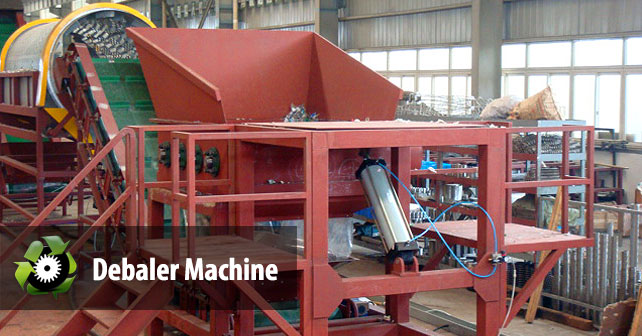
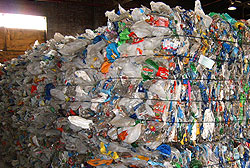
In modern PET bottle recycling facilities, efficiency and automation are paramount. The debaler machine serves as the critical entry point in standard PET washing lines, designed to process compacted bales of plastic bottles that arrive at recycling plants. These bales, typically bound with metal wires, require specialized equipment to efficiently “bust” or open them, allowing individual bottles to move freely onto conveyor systems for subsequent processing stages.
Industrial operations globally rely on debalers to maintain consistent material flow, reduce manual labor requirements, and optimize overall line efficiency. For recycling professionals, understanding the functionality, specifications, and operational benefits of these machines is essential for making informed equipment decisions.
How Debaler Machines Transform PET Processing Operations
pet-bottle-bales
Manual vs. Automated Bale Processing
Without a dedicated debaler machine, recycling facilities must resort to manual bale opening processes. This labor-intensive approach typically requires 1-2 employees per shift specifically dedicated to cutting wires and dispersing bottles onto conveyors. While this method may be feasible in regions with lower labor costs, it presents significant challenges for operations in developed markets where labor expenses substantially impact overall operational budgets.
Manual processing also introduces consistency issues, potential safety concerns from wire cutting operations, and throughput limitations that can bottleneck entire production lines. The variability in human performance can lead to inconsistent material flow, affecting downstream equipment performance and final output quality.
Automated Debaler Operation Principles
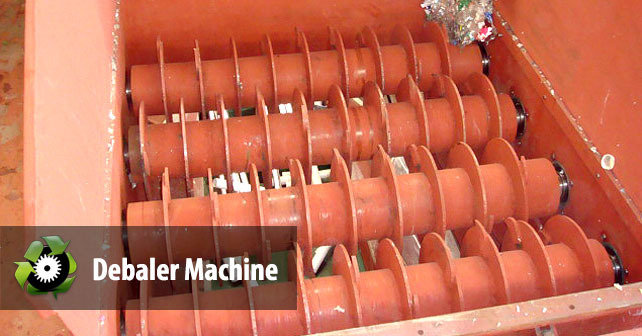
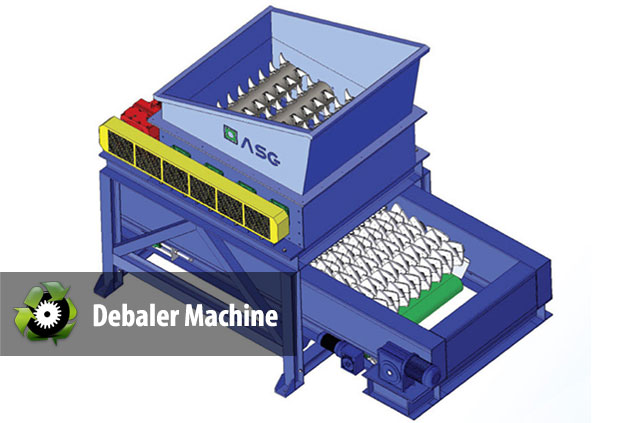
Modern debaler machines, such as those manufactured by ASG Machine, employ engineered systems specifically designed for efficient bale processing. These systems utilize slow-moving, high-torque hooks that mechanically engage with the metal wires securing PET bales. The controlled motion ensures thorough wire removal while minimizing damage to the plastic bottles themselves.
The operational workflow typically involves: – Bale placement into the vertical feeder using forklift equipment – Automated engagement of securing wires by mechanical hooks – Systematic breaking apart of the compressed bale structure – Controlled discharge of individual bottles onto conveyor systems
This automated process ensures consistent throughput, reduces labor requirements, and maintains optimal material flow to downstream washing and sorting equipment.
Technical Specifications and Model Variations
| Specification | Standard Model | High-Capacity Model |
|---|---|---|
| Feeder Dimensions | 1450mm x 1650mm | 1600mm x 1800mm |
| Main Motor Power | 5.5 KW | 7.5 KW |
| Conveyor Motor Power | 7.5 KW | 11 KW |
| Maximum Throughput | 4-5 bales/hour | 6-8 bales/hour |
| Power Requirements | 380V/50Hz | 380V/50Hz |
Customization Options for Specific Applications
Industrial debalers can be customized to address specific operational requirements: – Variable speed controls for different bale densities – Enhanced safety systems for operator protection – Compatibility with various bale sizes and materials – Integration capabilities with existing conveyor systems – Weather-resistant configurations for outdoor installations
Industry Applications and Operational Benefits
Recycling Facility Integration
Debaler machines serve as the foundational equipment in comprehensive PET recycling lines. Their proper operation directly impacts the efficiency of subsequent processes including: – Pre-washing and label removal systems – Granulation and washing stages – Flake sorting and separation equipment – Final packaging and material handling systems
Economic Advantages
The implementation of automated debaling systems delivers substantial financial benefits: – Labor cost reduction through automation – Increased processing throughput and capacity – Reduced downtime between bale processing – Improved consistency in material flow – Enhanced worker safety by eliminating manual wire cutting
Operational Efficiency Metrics
Facilities implementing debaler machines typically experience: – 60-70% reduction in manual labor requirements – 40-50% increase in overall line throughput – Consistent processing of 4-8 bales per hour depending on model – Reduced maintenance costs compared to manual processing methods
Technical Considerations for Equipment Selection
Capacity Planning
When selecting a debaler machine, consider these critical factors: – Average daily bale processing requirements – Available facility space and layout constraints – Existing material handling equipment compatibility – Future expansion plans and scalability needs – Local utility requirements and power availability
Maintenance and Operational Requirements
Proper debaler maintenance ensures long-term reliability: – Regular inspection of hook mechanisms and wear components – Lubrication schedules for moving parts – Conveyor system alignment checks – Electrical system maintenance and safety inspections – Operational training for maintenance personnel
Industry Trends and Technological Advancements
Automation Integration
Modern debalers increasingly incorporate smart technology features: – IoT connectivity for performance monitoring – Automated maintenance scheduling systems – Real-time throughput tracking and reporting – Remote troubleshooting capabilities – Energy consumption optimization systems
Sustainability Impact
Advanced debaling technology contributes to broader sustainability goals: – Reduced energy consumption per processed bale – Enhanced material recovery rates – Improved working conditions for recycling personnel – Better overall resource utilization throughout recycling operations
Additional Visual Documentation
debaler-machine-02
debaler-machine-03
Procurement and Implementation Timeline
Standard Order Processing
The lead time for standard debaler machine orders is typically 30 days from order confirmation to shipment. This timeframe includes: – Manufacturing and quality control processes – Performance testing and calibration – Packaging and shipping preparation – Documentation and manual preparation
Custom and Complete Line Orders
For custom configurations or complete washing line installations, the implementation timeline extends to 60-90 days. Factors influencing delivery include: – Engineering design requirements for custom features – Integration complexity with existing systems – Current manufacturing queue status – International shipping and logistics considerations – Installation and commissioning requirements
Frequently Asked Questions
What bale sizes and weights can the debaler handle?
ASG debalers are engineered for standard PET bottle bales of roughly 1200 x 1000 x 800 mm, weighing 300–500 kg, and tolerate normal variations in density and compression. The feeder opening and hook mechanism accommodate the common bale formats used by MRFs and bottle suppliers. If your bales run larger or denser than standard, share the dimensions before ordering so the feeder can be sized accordingly.
How do I choose between the standard and high-capacity models?
Choose by bales per hour at peak intake. The standard model processes 4–5 bales per hour with a 5.5 kW main motor, while the high-capacity unit reaches 6–8 bales per hour with 7.5 kW plus a larger feeder. Size for your busiest receiving days, not the average, and allow headroom if bale deliveries are growing. Both models run on 380V/50Hz three-phase power.
How does the machine remove metal wires without damaging bottles?
Slow-moving, high-torque hooks mechanically engage the steel or polywire straps securing each bale. The controlled motion pulls the wires free and breaks the compressed bale apart while keeping forces low enough to avoid crushing the bottles. Forklift-placed bales feed in from the top, and loose bottles discharge onto the conveyor for the next stage.
What are the power and installation requirements?
The standard model needs 5.5 kW for the main drive plus 7.5 kW for the conveyor, all on 380V/50Hz. Plan a clear area for forklift bale placement at the vertical feeder, a discharge conveyor run to your pre-wash or granulator, and a level foundation rated for the dynamic load. Discharge height and conveyor interfaces can be customized to match existing material handling.
What maintenance does a debaler need?
Routine care is straightforward: daily visual inspections of hooks and guards, weekly lubrication of moving parts, monthly mechanical adjustments and conveyor alignment checks, plus an annual comprehensive inspection. Because the machine runs at low speed with few wear parts, maintenance costs stay modest compared with high-speed processing equipment. Full schedules ship with each machine.
Where does the debaler sit in a complete PET bottle washing line?
It is the first machine in the line — bales are opened and bottles metered onto conveyors before pre-washing, label removal, granulation, and washing stages. A debaler eliminates the manual wire-cutting bottleneck, and facilities typically see 30–40% better overall line throughput once it is installed. Specify it together with the line so interfaces and capacities match.
Conclusion
The selection and implementation of an appropriate debaler machine represents a critical decision for PET recycling operations seeking to optimize efficiency, reduce operational costs, and enhance overall productivity. By automating the initial processing stage, facilities can achieve more consistent material flow, improved worker safety, and better utilization of downstream equipment.
ASG Machine continues to lead in developing advanced debaling solutions that address the evolving needs of the global recycling industry. Our expertise in industrial machinery ensures that clients receive equipment that not only meets current operational requirements but also provides scalability for future expansion.
Contact our engineering team for detailed quotations, technical specifications, or consultation regarding your specific debaling requirements. Explore our complete PET bottle washing line solutions for integrated recycling systems.