

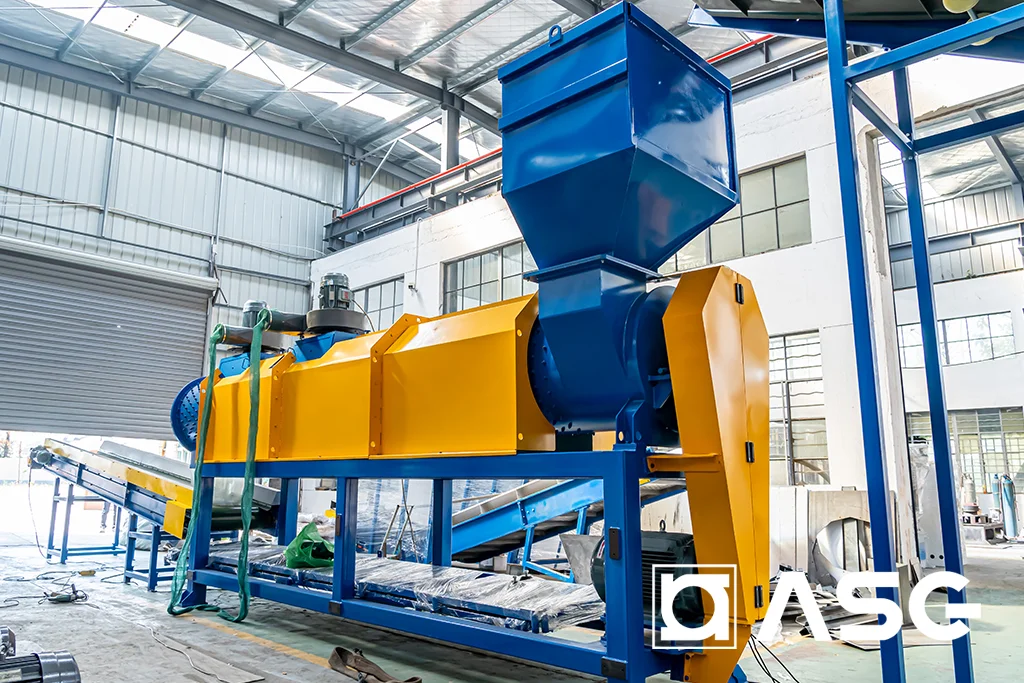
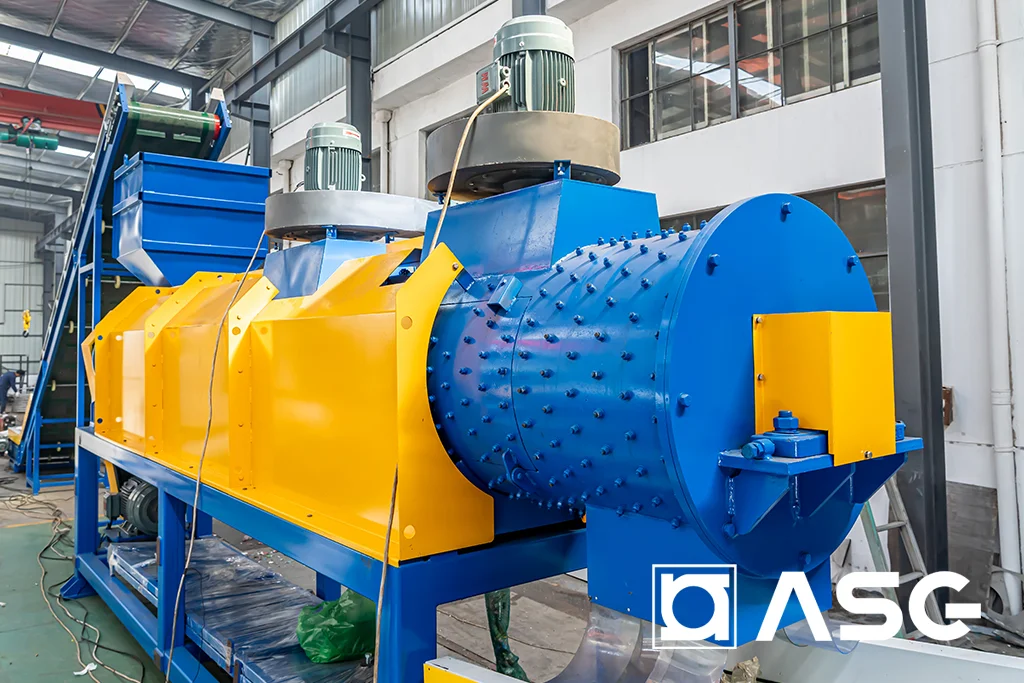
The plastic bottle label remover is an indispensable recycling machine for PET bottle recycling that removes more than 95% of the labels from whole plastic bottles. Once the labels are removed, the bottles can be fed into the plastic granulator machine to produce a cleaner stream of PET flakes.
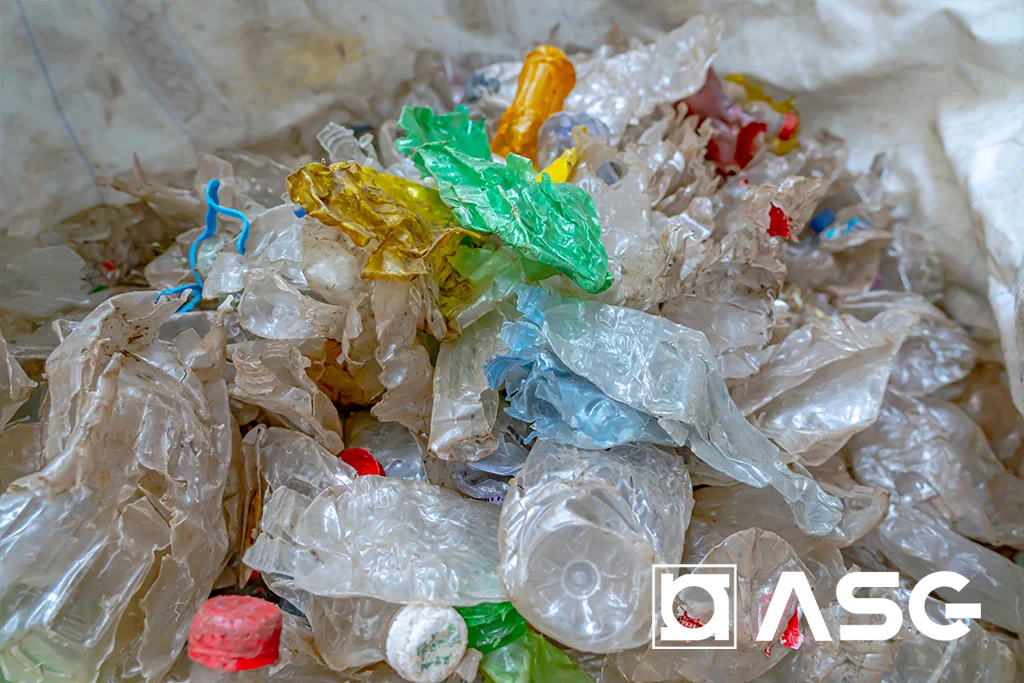
The successful research and development of our plastic bottle label remover is a major advancement in plastic recycling machines for how plastic bottles are recycled. Traditionally, whole plastic bottles are fed into plastic granulators with the labels attached. The resulting PET flakes are co-mingled with shredded labels and bottle caps. As the removal of these small contaminants are more difficult once the plastics are mixed, removing the plastic labels at the beginning of the recycling process is more efficient.
If you’re currently recycling plastic bottles using traditional methods, we highly recommend adding this recycling machine to improve the quality and capacity of your recycling line.
WORKING PRINCIPLE
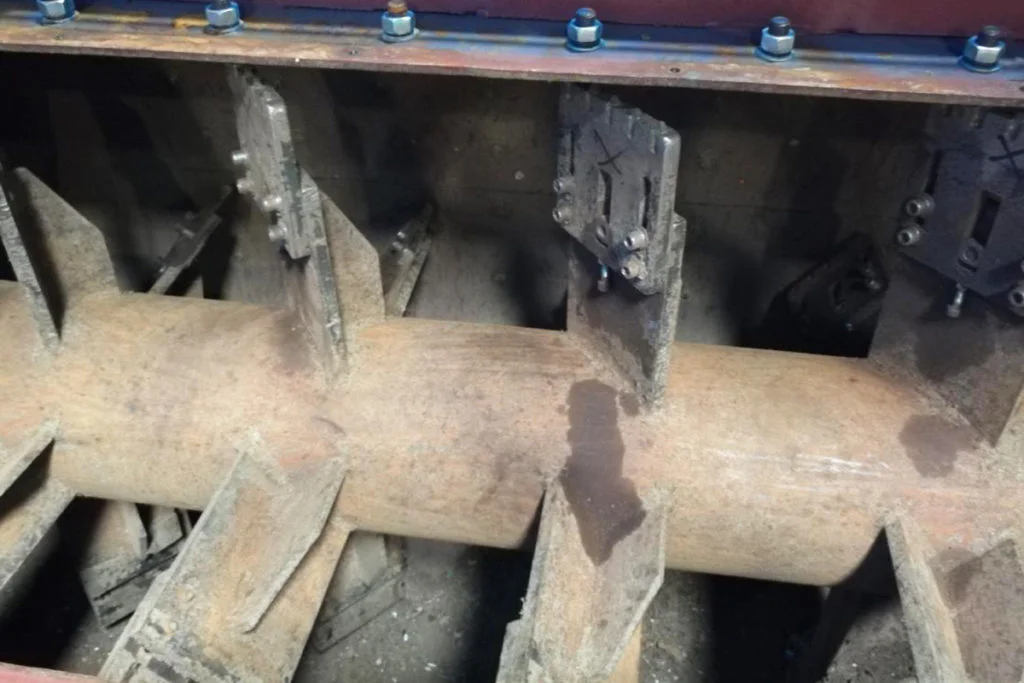
Inside the plastic bottle remover are sharp, tough, alloy jagged knives that cut and peel the labels away from the plastic bottles. These special, claw-like knives are welded by copper onto a fast rotating spindle at specific angles to push the bottles forward. As the labels are cut away, they are blown into a collection chute.
For added cleaning of the plastic bottles, we offer a wet plastic bottle label remover machine that works in a similar fashion. Instead of blowing the labels away for collection, the labels are sprayed away with water.
The knives inside this machine can be conveniently removed, sharpened, and then replaced for optimal performance.
ADDITIONAL IMAGES
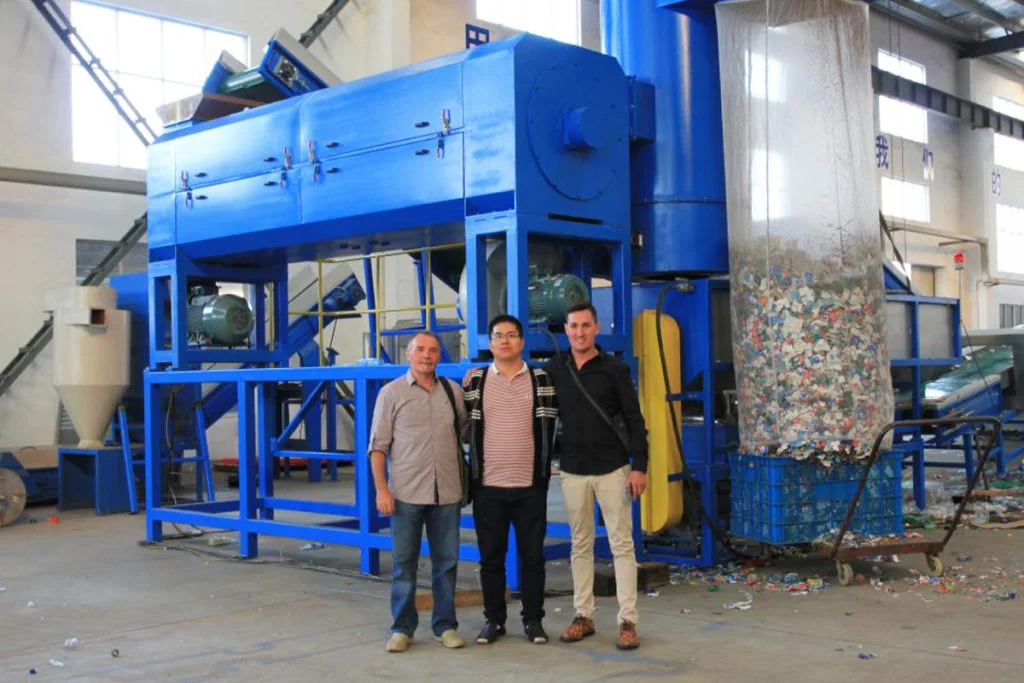
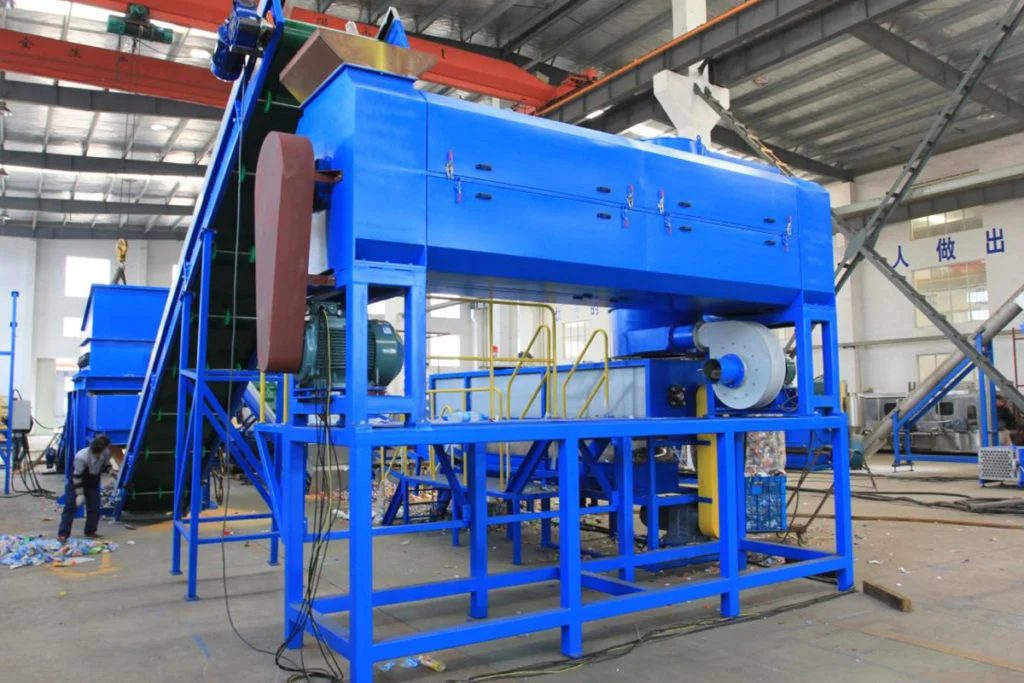
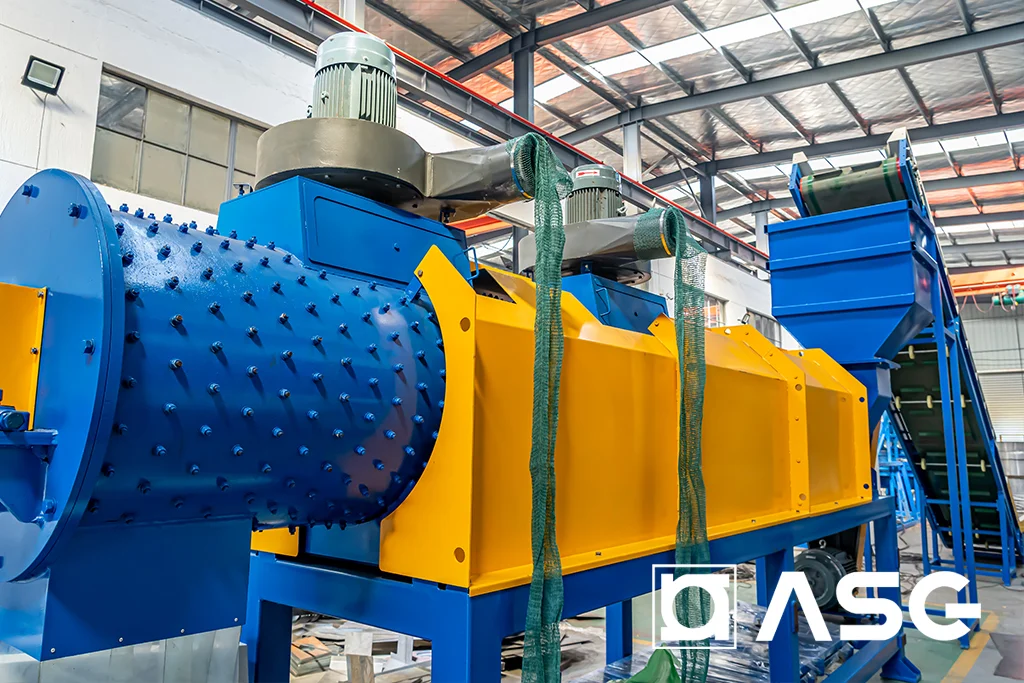
INQUIRIES
To get the latest prices and lead times, send us a message using the form below.
Frequently Asked Questions
How effective is the label remover?
It removes more than 95% of labels from whole plastic bottles. Sharp, claw-like alloy knives on a fast-rotating spindle cut and peel labels away, then blow them into a collection chute. Removing labels up front is far more efficient than the traditional route — granulating labeled bottles co-mingles shredded label fragments with PET flakes, and those small contaminants are much harder to separate afterwards.
Why remove labels before granulating instead of after?
Once bottles are granulated with labels attached, the flakes mix with shredded label pieces and cap fragments that demand extra washing and sorting to remove. Stripping labels from whole bottles first keeps the flake stream clean from the start, which raises flake quality, reduces washing load, and can lift the overall capacity of the recycling line.
What is the difference between the dry and wet label remover?
The dry version cuts labels off and blows them into a collection chute — simple and effective for most bottle streams. The wet version works the same way mechanically but sprays the labels away with water, adding a light cleaning effect on the bottles. Choose wet when your bottles carry extra surface dirt; choose dry when you want to avoid adding water handling.
What bottle types can it process?
It is designed for whole PET plastic bottles as they come from debaling — standard beverage and water bottles in typical post-consumer sizes. The spindle and knife angles are set for round bottle bodies; heavily crushed or irregular containers may feed less evenly. Confirm unusual bottle formats with ASG before ordering.
How do I maintain the label remover knives?
The alloy knives are designed for service: they can be conveniently removed, sharpened, and replaced to keep peeling performance at its peak. Inspect them regularly — dull knives leave label residue on bottles, which defeats the purpose of the machine. Keeping a spare knife set on site makes changeovers fast.
Where does the label remover sit in the recycling line?
It goes early in the line, after the debaler opens the bales and typically after a pre-wash: whole bottles have labels stripped, then feed the granulator as clean bodies. Downstream, the resulting flakes move through washing, rinsing, and drying. Placing label removal before size reduction is the key efficiency gain over traditional labeled-bottle granulation.