

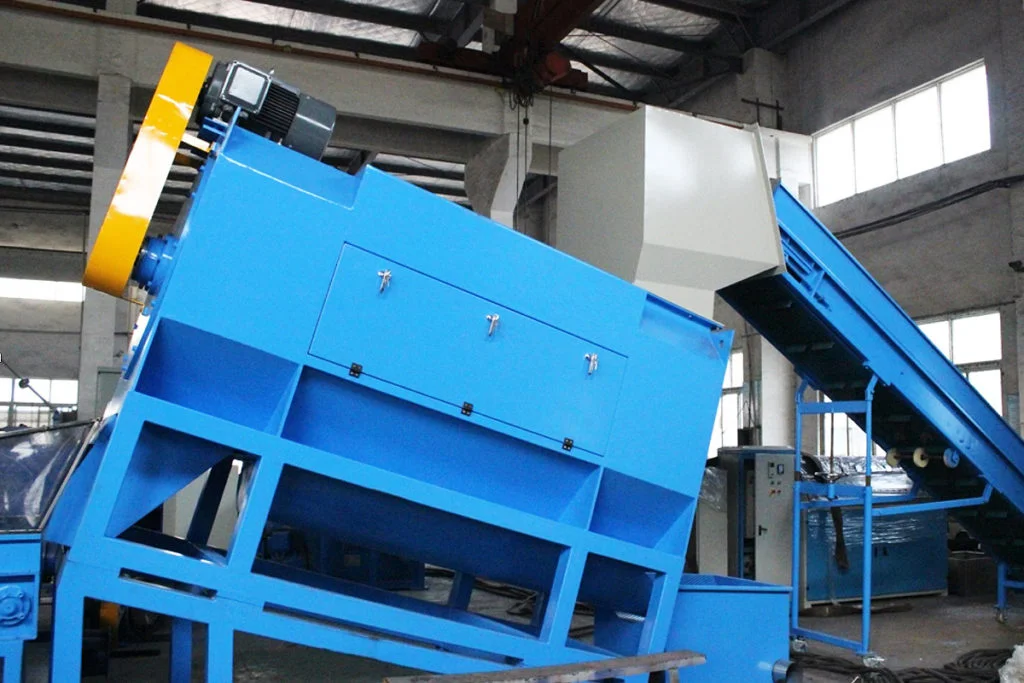
Our wet plastic bottle label remover is an innovation recycling machine effective at removing more than 95% of the labels from whole plastic bottles. As this machine uses water to remove the labels, the bottles are cleaned at the same time making this an excellent option for you to improve your current or new PET bottle recycling operation.
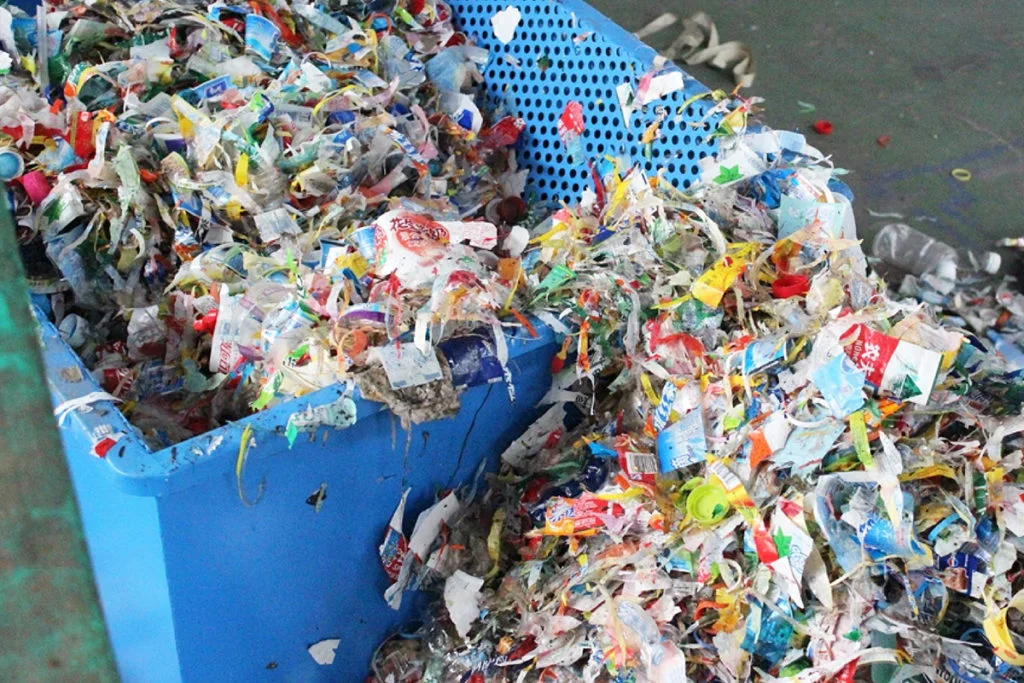
This wet plastic bottle label remover changes how PET plastic bottles are traditionally processed for recycling. The first step in most recycling operations feed the whole plastic bottles into a plastic granulator without removing the labels. This results in PET flakes that are co-mingled with shredded labels and bottle caps. Because it is more difficult to separate the plastics once they are mixed, several machines are required.
Therefore, a better method of processing PET bottles for recycling is to remove the labels first. With a single machine, the wet plastic label remover is able to remove more than 95% of plastic label contaminants from your PET flake output stream.
Even if you are shredding plastic bottles whole now, adding this label remover will improve the quality of your PET flakes as well as increasing the capacity of your PET bottle washing line.
WORKING PRINCIPLE
Inside the wet plastic bottle remover are strong, jagged knives that act like claws to cut and rip the labels away from the plastic bottles. These imported alloy knives are copper welded onto a medium spinning rotor set at specific angles to move the bottles forward.
This machine works in a similar fashion compared to our plastic bottle label remover where the cut labels are blown into a collection chute. Instead of using air to blow the labels away, our wet label remover sprays the labels away using a stream of water. This not only removes the labels but at the same time washes the bottles.
To ensure the optimal performance of this machine, the knives will need to be occasionally removed, sharpened and then replaced.
ADDITIONAL IMAGES
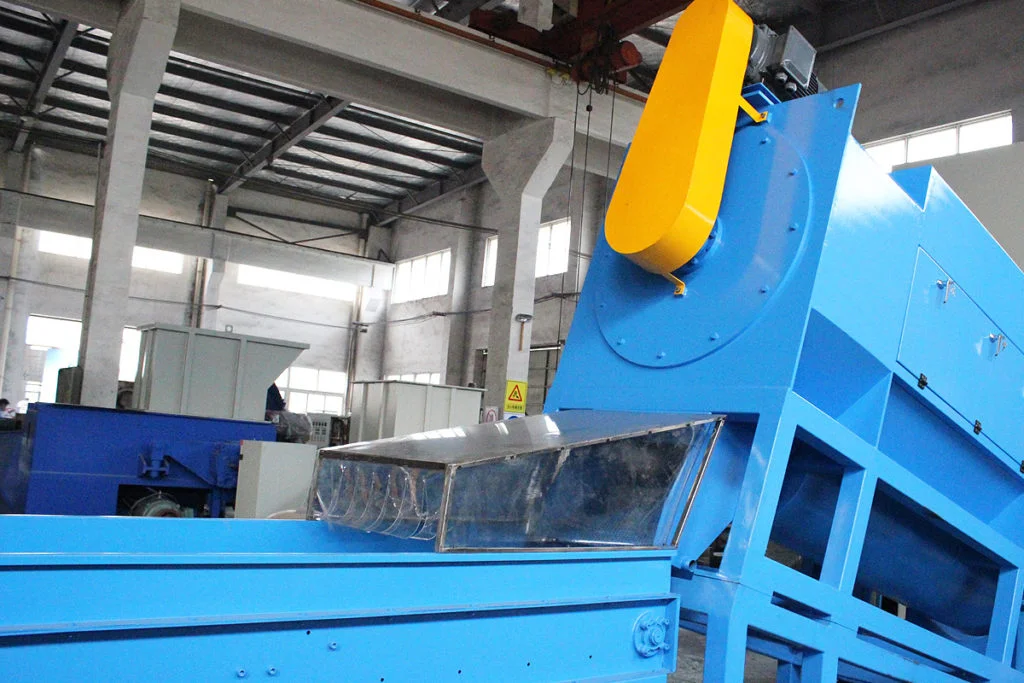
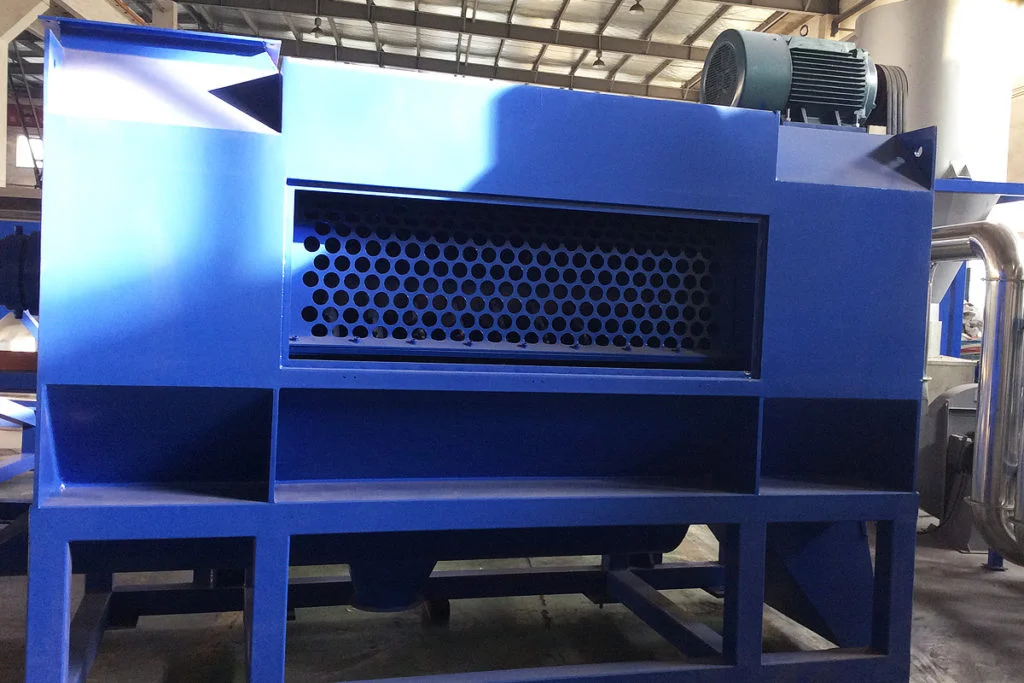
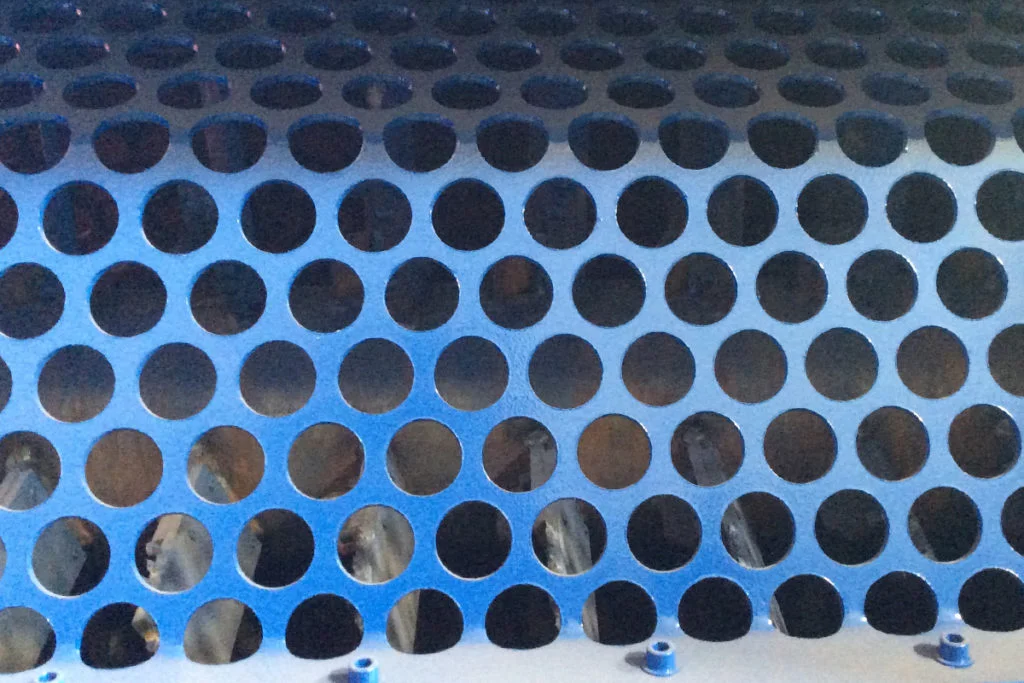
INQUIRIES
To get the latest prices and lead times, send us a message using the form below.
Frequently Asked Questions
How does the wet plastic bottle label remover work?
Inside the machine, strong jagged knives — imported alloy knives copper-welded onto a medium-spinning rotor set at specific angles — act like claws to cut and rip labels away from whole plastic bottles while moving them forward. Instead of air, a stream of water sprays the cut labels away into a collection chute, which removes the labels and washes the bottles at the same time.
What label removal rate can it achieve?
The machine removes more than 95% of the labels from whole plastic bottles. Because labels are stripped before granulation, the PET flake output stream carries far fewer label contaminants than lines that shred bottles whole.
What is the difference between the wet and dry label removers?
The wet remover sprays labels away with water, cleaning the bottles simultaneously — ideal when you want label removal and a first wash in one step. The dry label remover uses air separation instead, which adds no moisture. Choose wet when downstream washing is already planned, dry when you want to keep the stream water-free.
Where does the label remover fit in a PET recycling line?
It goes before the granulator. The traditional approach feeds whole labeled bottles into the granulator, producing PET flakes co-mingled with shredded labels and caps — which then needs several machines to separate. Removing labels first with a single machine improves flake quality and increases the capacity of the PET bottle washing line.
What maintenance do the knives require?
To ensure optimal performance, the knives will need to be occasionally removed, sharpened, and then replaced. The copper-welded alloy knives are built for long wear, but regular inspection keeps the removal rate above 95% and prevents label fragments from slipping through.
What types of bottles can it process?
The machine is designed for whole plastic bottles, particularly PET bottles in bottle recycling operations. If your stream includes unusual bottle shapes or heavy shrink sleeves, discuss your feedstock with the engineering team to confirm suitability.