

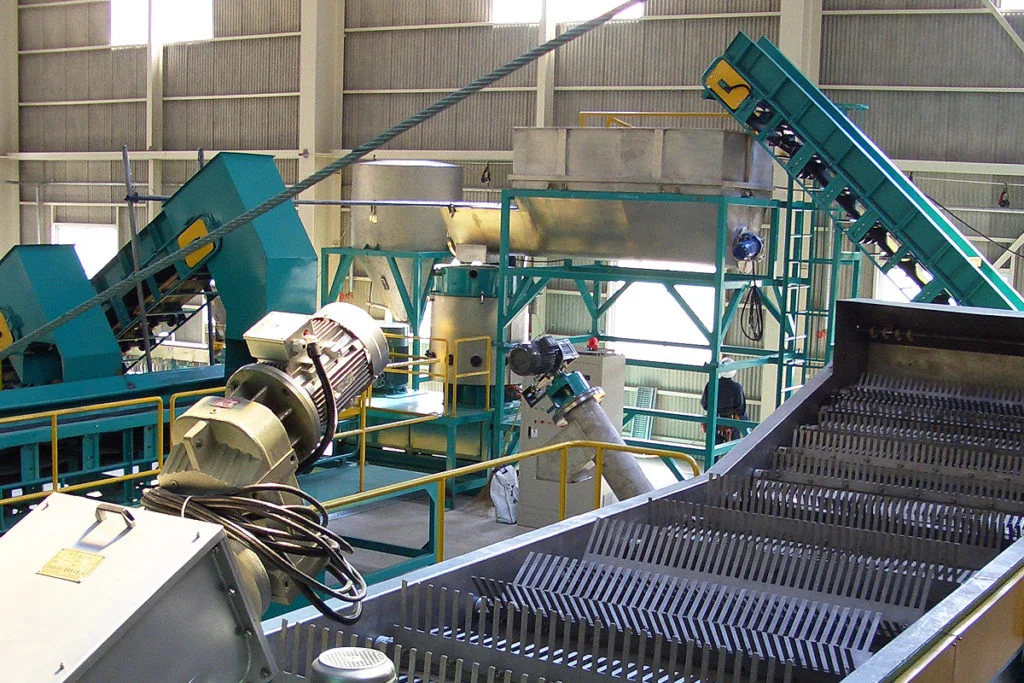
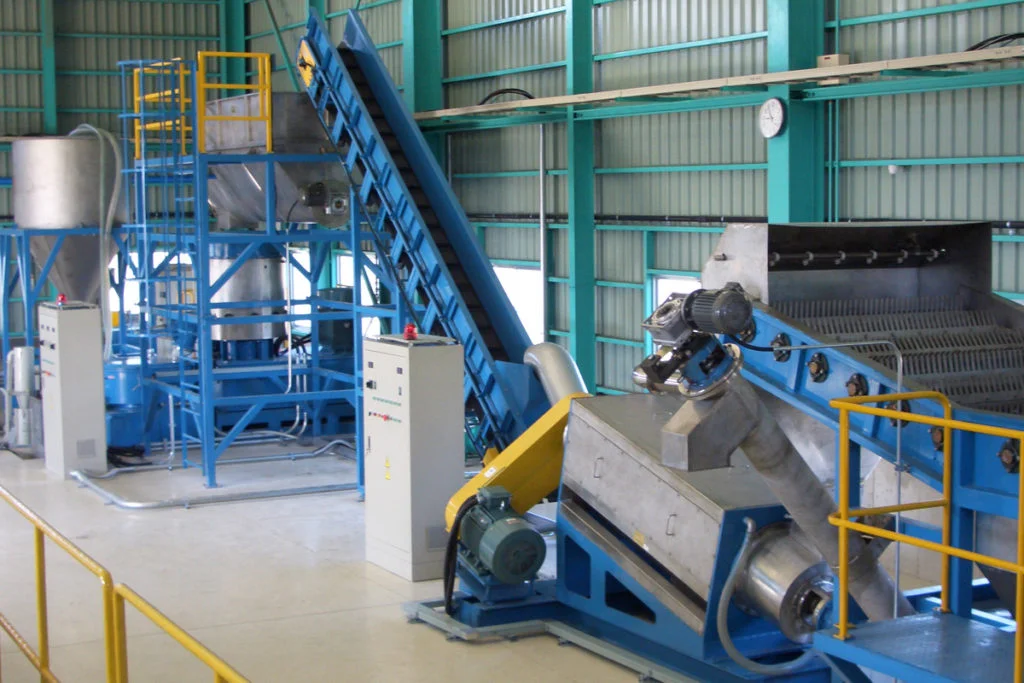
We offer one of the most robust and effective turnkey solutions for plastic film recycling. Whether you’re working with polypropylene (PP), polyethylene (PE), or other plastic films, our complete plastic film washing line will fulfill your every need for recycling loose or baled plastic film into plastic pellets you can sell for healthy margins.
This fully automated plastic film washing and pelletizing line is composed of a series of plastic recycling machines in a specific order optimized for efficiency. Our standard washing lines are available with the input capacity of 500kg/h upwards to 3,000kg/h.
While our standard PE film washing lines are sufficient for most recycling plants, custom setups with additional machinery and increased capacity can be designed for your specific needs.
WORKING PRINCIPLE
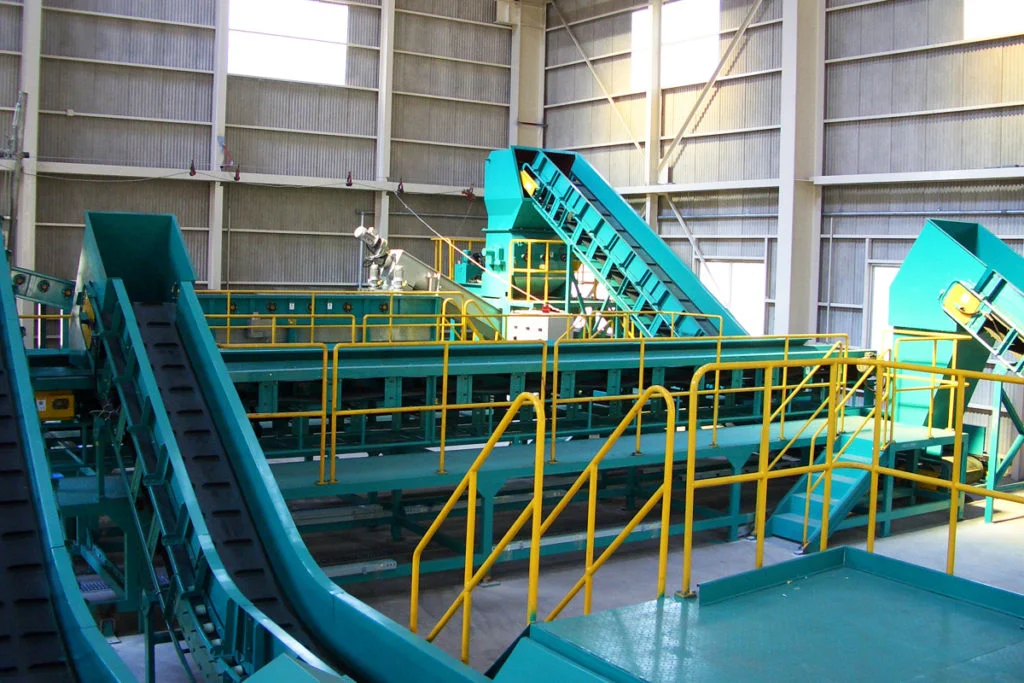
The entire plastic film washing line is controlled via a central electric control panel and cabinet. Each piece of equipment is connected using conveyors.
Plastic Shredder Machine: As long pieces of plastic film easily tangle (imagine saran wrap) and clogs conveyors and rotary-based machines, the first step is to cut the plastic film into smaller pieces using a plastic shredder machine. The resulting plastic pieces from the plastic shredder is around 1-5 inches.
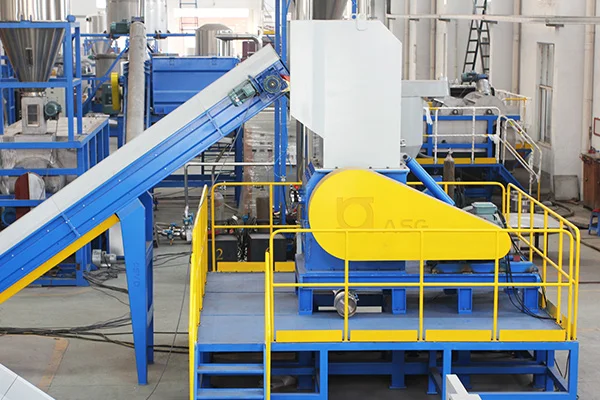
Wet Plastic Granulator: The plastic granulator cuts the plastic film into even smaller pieces approximately 10-20mm in size. With water constantly injected into the cutting chamber, our wet granulation process also “pre-treats” and partially cleans the plastic film before moving onto the next machine.
Friction Washer: A high-power washing machine, our cold water friction washers spins at nearly 1,000 rotations per minute. As the PP / PE films enters the friction washer, the plastic film rubs against each other at high speeds getting rid of hard to remove contamination. At the same time, any paper and cardboard is broken down into fibers and removed. While one friction washer is standard, various washing plants have requested a secondary friction washer to ensure thorough cleanliness.
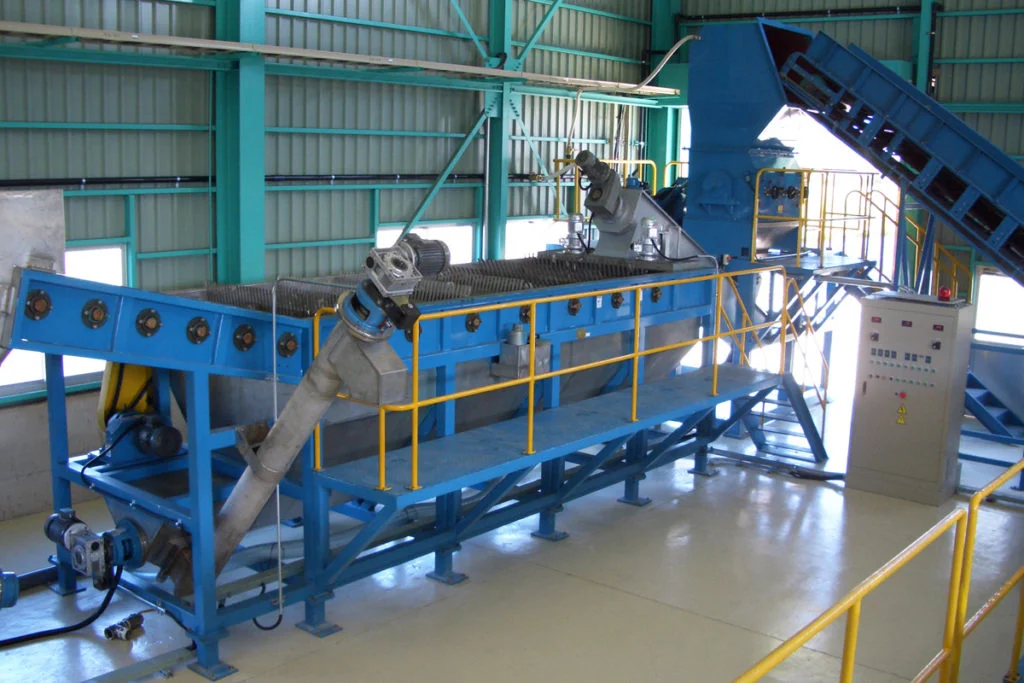
Sink Float Separation Tank: Using water as a medium, materials that float are separated from materials that sink. In the case of plastic film recycling, PP and PE films will float while heavier contamination such as dirt, sand, glass, metals, other plastics will sink. A screw conveyor at the bottom of the sink float separation tank removes the contamination. While separation is one aspect of this apparatus, a secondary function is to further clean the plastic film.
Centrifugal Dewatering Machine: The first step in the drying process, our centrifugal dewatering machine uses centrifugal force to remove a large portion of water within the plastic film before moving forward onto the thermal dryers. As thermal dryers use heat to dehydrate water, it requires more energy consumption during operation. Hence, the use of the dewatering machine is beneficial in savings for long run operations costs.
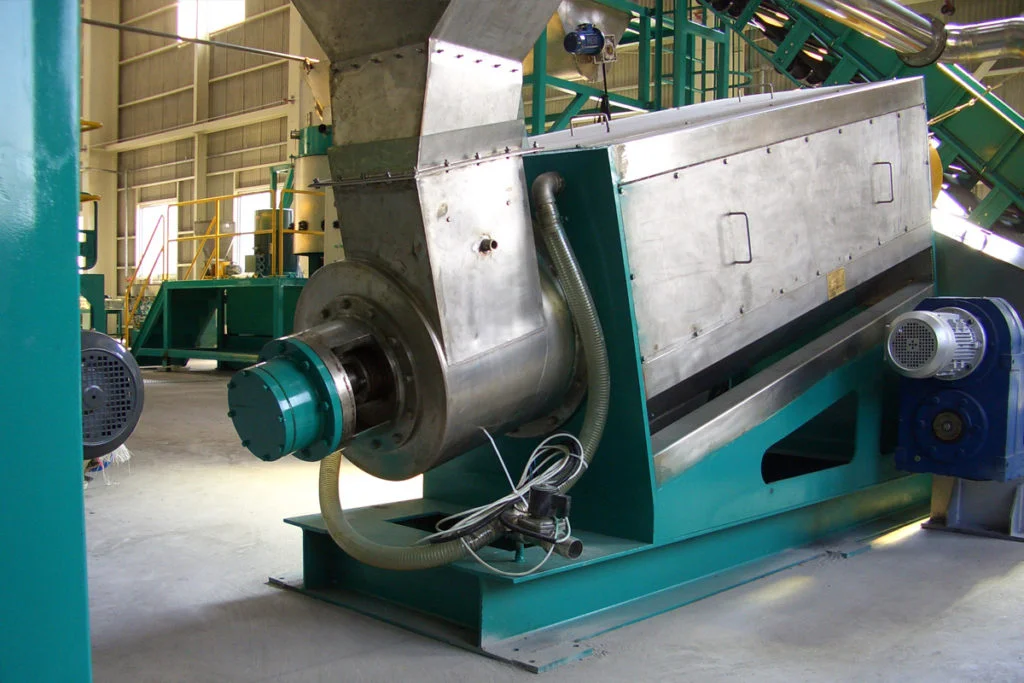
Screw Press Dewatering Machine: An optional piece of equipment, the screw-press dewatering machine is a more advance version of the standard dewatering machine. Instead of using centrifugal force to remove water from the plastic film, the screw press squeezes the water out via high pressure. This machine can actually take the place of both the dewatering machine and thermal dryers.
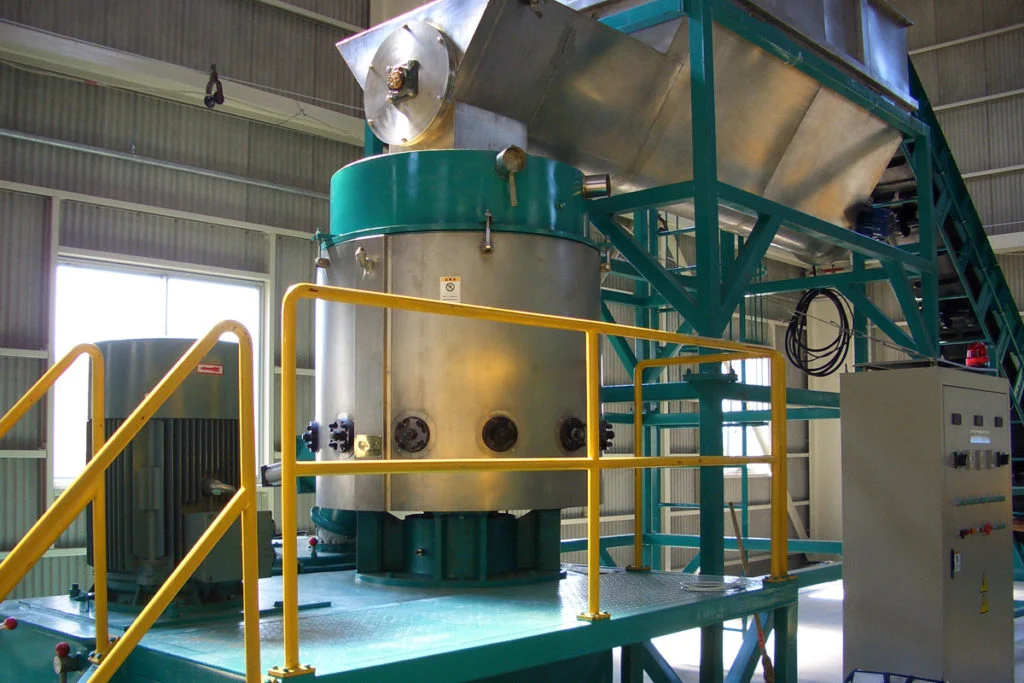
Thermal Dryer + Cyclone Separator: The clean plastic film is vacuumed out of the dewatering machine and into the thermal dryer system where it’ll travel down a series of stainless steel tubes mixing with hot air. The remaining moisture is dehydrated in this process which ends with a cyclone separator. The cyclone separator allows the plastic film to mix with a fresh stream of cold air which prepares it for storage into the product silo. The cyclone separator is also effective in removing fines and such dust.
Product Silo: A storage tank for the clean, dry pieces of plastic film.
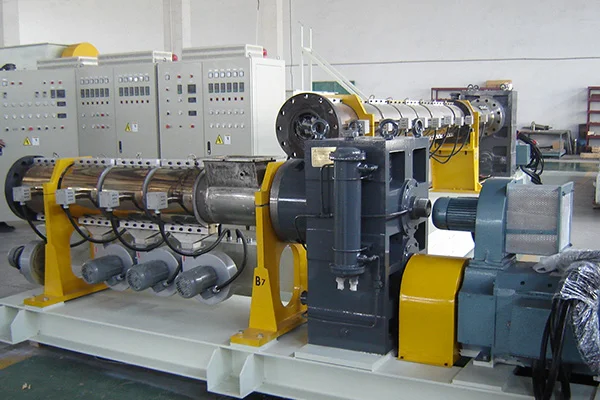
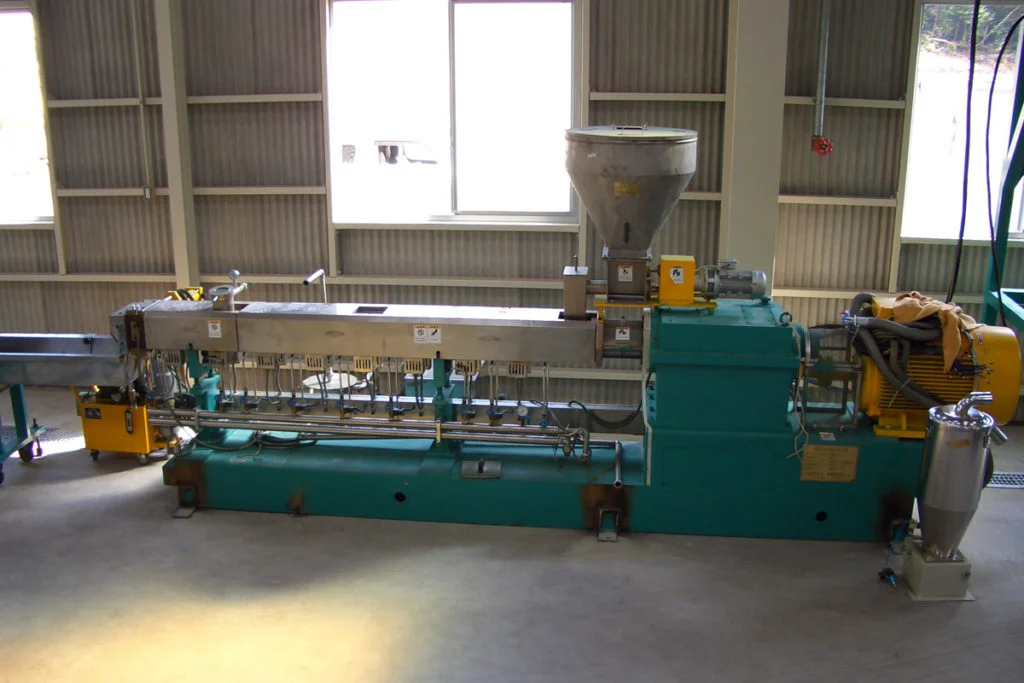
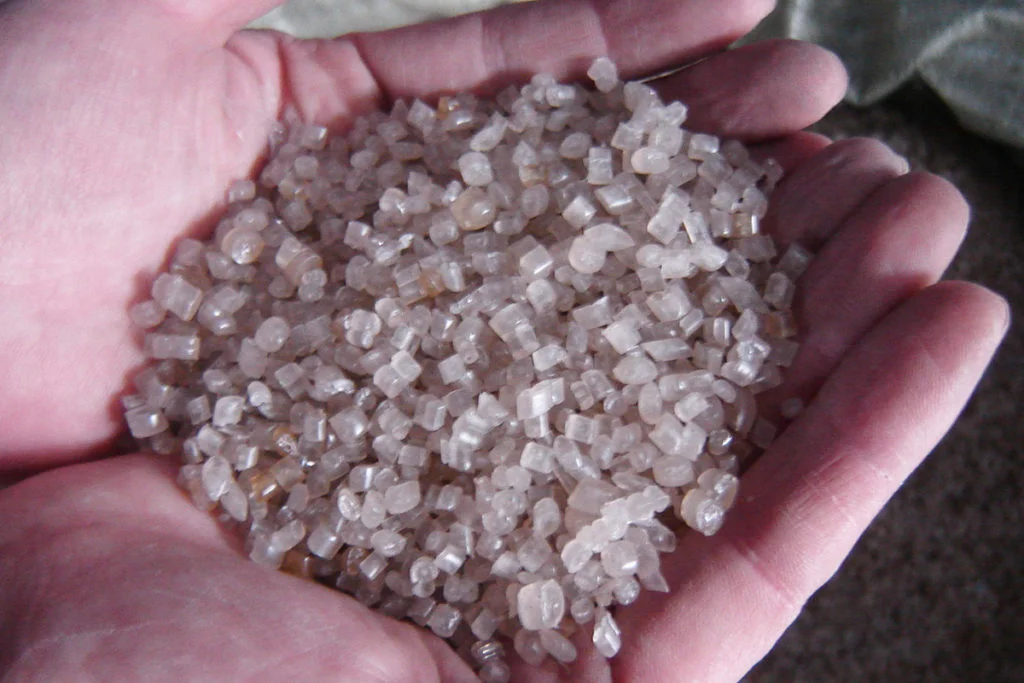
Plastic Pelletizing Machine: The final step in plastic film recycling and maybe the most important, the clean film needs to be processed into plastic pellets before it can be used in production. To do so, we offer a specialized plastic film water ring pelletizer system that produces beautiful round plastic pellets.
TECHNICAL SPECIFICATIONS
| Input Capacity | 500 kg/h | 1000 kg/h | 1500 kg/h | 2000 kg/h | 3000 kg/h |
| Required Space [LxWxH] | 42mx15mx6m | 50mx15mx6m | 60mx25mx6m | 80mx30mx6m | 80mx40mx6m |
| Operators | 2-3 people | 3-5 people | 4-6 people | 4-6 people | 7-9 people |
| Installation Power | 250KW | 350KW | 470KW | 650KW | 850KW |
| Water Circulation (T/H) | 2 | 3 | 3 | 4 | 5 |
*Larger, more powerful models available based on your request.
ADDITIONAL VIDEOS & IMAGES
WARRANTY & INSTALLATION
All of our plastic recycling machines come with a 1 year limited warranty.
We offer installation packages where our engineers travel to your facility to guide your through the installation process the. Routine maintenance teams and operations consultants can also be arranged to ensure your plastic film recycling plant runs smoothly year and year.
INQUIRIES
To get the latest prices and lead times, send us a message using the form below.
Frequently Asked Questions
What types of plastic film can this washing line process?
The line handles PP, PE, and other plastic films in loose or baled form — agricultural film, packaging film, shopping bags, and industrial wrapping. Standard lines run 500–3,000 kg/h, and custom configurations with extra machinery can be built for specific contamination levels or higher capacity. Heavily printed or multi-layer films should be discussed with the engineering team before ordering.
How do I choose the right capacity for my plant?
Match the line to your available feedstock and growth plans: the five standard sizes cover 500, 1000, 1500, 2000, and 3000 kg/h, with installation power from 250 kW to 850 kW and footprints from 42×15 m up to 80×40 m. Under-sizing creates a bottleneck that starves the pelletizer; over-sizing wastes capex and energy. Share your daily film intake and the team will recommend a size.
How are labels, paper, and cardboard removed from the film?
The high-speed friction washer — spinning near 1,000 rpm — rubs film against film so stubborn contamination releases, while paper and cardboard break down into fibers and wash away. Plants needing extra cleanliness can add a secondary friction washer. For more on label-removal techniques, see our dedicated guide linked above.
What is the difference between the centrifugal dryer, screw press, and thermal dryer?
The centrifugal dewatering machine is the standard first drying step, removing bulk water mechanically at low energy cost. The optional screw press squeezes water out under high pressure and can replace both the centrifugal unit and the thermal dryers. The thermal dryer finishes the job with hot air for the lowest residual moisture before pelletizing.
How much water does the washing line consume?
Water circulation runs 2–5 tons per hour depending on line size, but the system recirculates process water rather than consuming it continuously. A properly designed water treatment and filtration loop keeps makeup water low and operating costs down. Dirty intake water should be clarified so it does not re-contaminate the film.
What quality of pellets does the line produce?
Clean, dry film feeds a specialized water-ring pelletizer that produces uniform round plastic pellets ready for sale or in-house reuse. Pellet quality depends on upstream cleanliness — consistent washing and thorough drying are what turn low-value scrap film into pellets that command healthy margins. CE certification is available on the line.