

Description
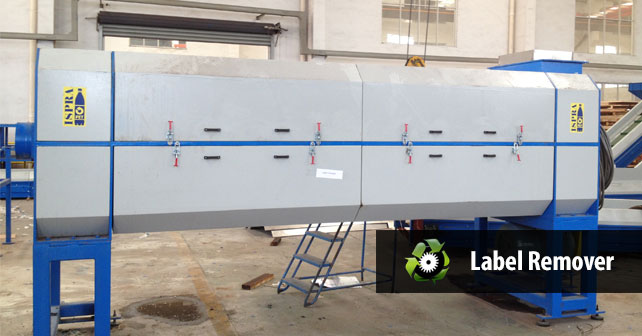
A Label Remover separates the labels from the PET bottles. It is placed before a granulator to remove the labels. Depending on the compression of the bottles, approximately 80%-95% labels can be separated through this equipment. Generally, a label separator (air classifier) is placed at the end of the PET bottle recycling process to separate the remaining labels.
How It Works
The label remover is used to tear PVC labels and other plastic labels. Broken labels are separated from the PET bottles by pneumatic power in label blower.
Models & Specifications
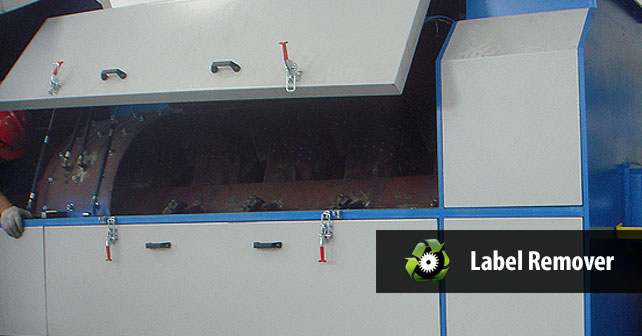
To ensure the durability of ASG’s label remover, the blades within use a specialized material that remains sharp for at least two years before requiring sharpening or replacement. Also, a noise proof material is utilized to reduce the running noise.
| Drum Diameter: | φ1000㎜ |
| Drum Length: | 4500mm |
| Motor Power: | 37KW |
| Rotary Speed: | 500rpm |
Additional Images
Place An Order
The general lead time for all single-piece, standard equipment orders is 30 days. For custom orders or complete washing lines, the lead time is between 60 – 90 days. The actual lead time will depend heavily on the complexity of the project as well as the amount of machinery we have in queue at the time of your order.
Contact us to discuss pricing and ordering details. Here is a brief summary of our ordering procedures.
Frequently Asked Questions
Where is the label remover placed in a PET washing line?
The label remover sits at the front of the line, before the granulator, so labels are stripped from whole bottles before grinding. Removing labels early prevents label material from contaminating PET flakes and reduces the load on downstream washing and air-classification stages. It connects to standard conveyors and interlocks with the rest of the PET bottle recycling machine line for continuous, automated operation.
What label removal efficiency can I expect?
Depending on bottle compression and label type, the machine separates approximately 80%–95% of labels. Loosely attached or shrink-sleeve labels come off most easily, while tightly glued labels may leave residue for the hot washer to dissolve. Remaining label fragments are captured at the end of the line by a label separator (air classifier), so final flake purity stays high.
What types of labels does it remove?
The machine tears off PVC labels and other plastic labels such as PET and OPP wrap-around and shrink sleeves. Mechanical blades break the labels loose, and pneumatic power in the label blower carries the detached pieces away from the bottles. Paper labels are also separated effectively, though any remaining fibers are washed out downstream.
What are the key specifications and installation requirements?
The standard model features a φ1000 mm drum, 4500 mm length, 37 kW motor, and 500 rpm rotary speed. It needs a stable three-phase power supply and a level, vibration-dampened foundation. Because the pneumatic system generates lightweight label debris, plan for a dust and label collection setup at the discharge, and allow clearance around the drum for blade inspection and maintenance access.
How long do the blades last, and how noisy is the machine?
The blades use a specialized wear-resistant material that stays sharp for at least two years before requiring sharpening or replacement, depending on operating hours and material processed. A noise-proof material is built into the design to reduce running noise, keeping the work environment safer and more comfortable while the drum rotates at 500 rpm.
Can it handle compressed bales or deformed bottles?
Separation efficiency depends partly on bottle compression — tightly compacted bales are harder to process than loose bottles. For best results, bales should be opened and metered into the machine at a consistent rate rather than dumped in bulk. Pre-sorting out heavy contaminants and excessive dirt also protects the blades and keeps the pneumatic separation working at peak efficiency.