

How it works
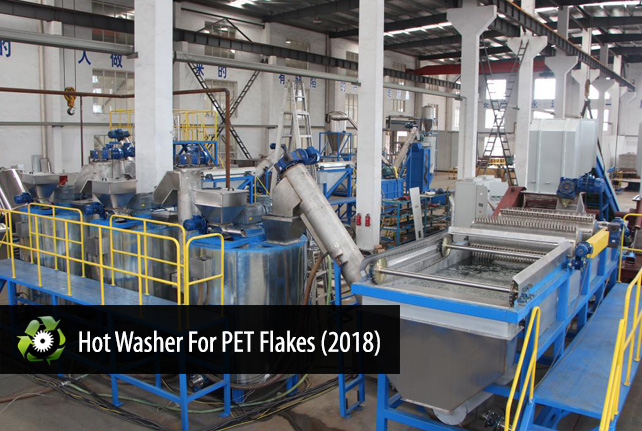
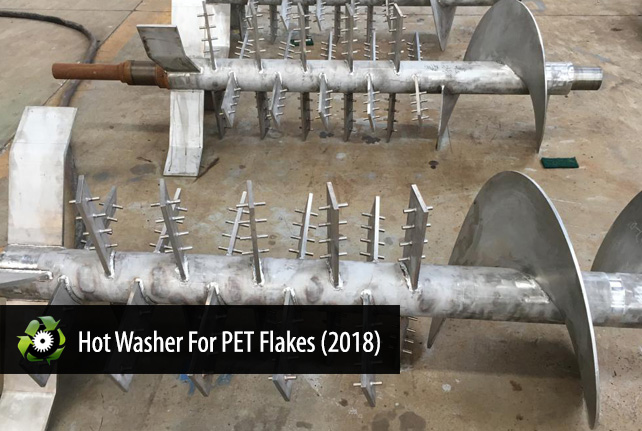
PET flakes are fed into the PET flakes hot washer where they sink down to the bottom. After the material accumulates to certain amount, they are lifted up on a vertical auger with paddles for discharge. The paddles create strong friction between the materials whereby they are cleaned. The finished product is higher quality PET flakes you can sell for more money.
Applications
The waste PET bottle hot washer is the newest washing machine for the PET bottle recycling line for 2018, this hot washing machine uses hot washing to remove labels and glue away from the bottles. It’s especially useful for washing oil and sand away. You can also add caustic soda and other cleaning chemicals into tank to make the raw material cleaner.
The hot washer for plastic washing recycling line is made up of the body, motor system, washing system, draining system and heating system.
Additional Images
Place an Order
The general lead time for all single-piece, standard equipment orders is 30 days. For custom orders or complete washing lines, the lead time is between 60 – 90 days. The actual lead time will depend heavily on the complexity of the project as well as the amount of machinery we have in queue at the time of your order.
Contact us to discuss pricing and ordering details. See also our PET bottle recycling process and equipment guide for how the hot washer fits into the full line. Here is a brief summary of our ordering procedures.
Frequently Asked Questions
What contaminants does the PET flakes hot washer remove?
The hot washer targets the stubborn contaminants that cold washing leaves behind: labels and label glue, oils, grease, sand, and beverage or food residues. Hot water combined with strong mechanical friction loosens adhesives and sterilizes the flakes. For especially dirty material, caustic soda or other cleaning chemicals can be added to the tank to boost cleaning power.
How does the hot washing process work?
PET flakes are fed into the hot washer and sink to the bottom of the tank. As material accumulates, a vertical auger with paddles lifts it upward for discharge. The paddles create strong friction between the flakes, scrubbing them clean while the hot water dissolves glue and washes away oils. The result is cleaner, higher-value flakes ready for the next stage.
Can I add cleaning chemicals to the hot washer?
Yes. The tank is designed so you can add caustic soda and other cleaning chemicals to make the raw material cleaner. Chemical dosing is especially useful for flakes with heavy glue residue or oily contamination. Dosage should be matched to your contamination level and downstream rinsing capacity — our engineers can advise on typical settings.
Where does the hot washer fit in a PET bottle washing line?
The hot washer typically sits after the sink/float separation tank, which removes floating caps and label films, and before the friction washer (cold rinse) and drying stages. This position lets it focus on glue, oil, and sterilization after the bulk separation is done, delivering the cleanest possible flakes into dewatering and thermal drying.
What materials is this hot washer designed for?
It is built for PET flakes produced from post-consumer PET bottles — the crushed flake stream that comes out of the granulator. It handles flakes carrying labels, glue, and typical bottle contaminants. If you process other rigid plastics, check with our team whether the washer configuration suits your material.
What is the lead time for ordering a hot washer?
Standard single-piece equipment orders typically ship within 30 days of order confirmation. Custom configurations or complete washing lines require 60–90 days for manufacturing and testing. Actual lead time depends on project complexity and the current production queue.