

Description
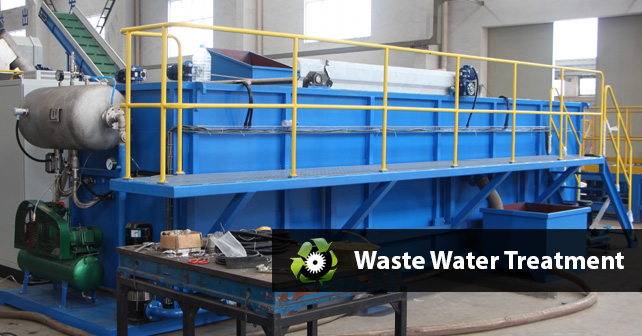
This water treatment system cleans water through the function of air floating tank and flocculating agent. It can be used in paper waste water treatment and fiber recovery, printing and dyeing wastewater treatment, electroplating and other heavy metal ions containing wastewater treatment, oily wastewater treatment, tannery wastewater treatment, chemical wastewater treatment, paint wastewater treatment, food waste water treatment, biological treatment of mud, water separation, Low temperature and low turbidity ground water treatment, algae surface water treatment, a variety of other waste water solid, liquid separation, etc.
How It Works
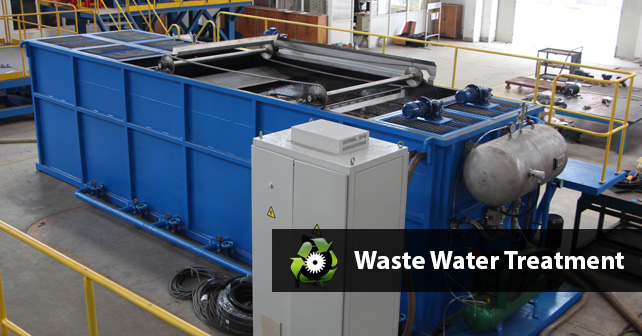
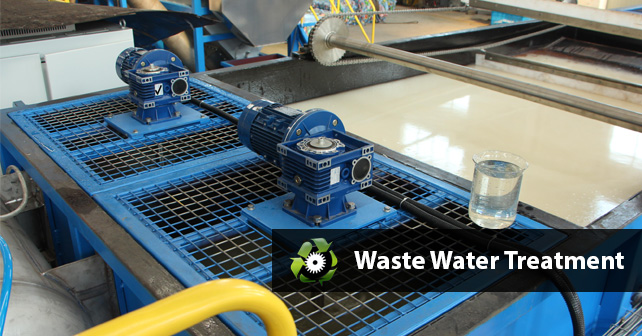
The air will be send by air compressor into air tank, then take into air dissolved tank by jet flow device, the air will be force to dissolve into water under 0.35Mpa pressure and forming dissolved air water, then send to air flotation tank. Under the circumstance of sudden release, the air dissolved in water will be dissolve out and form vast micro-bubble group, which will be fully contact the flocculating suspended matter in sewage, the suspended matter was sent by pump and flocculation after adding medicine, the ascending micro-bubble group will adsorb in the flocculated suspended matter, made its density reduce and floated to water surface, thus reach the purpose of removing SS and CODcr etc. For operations focused on PET flake washing, recirculating this treated water back into the wash loop cuts fresh-water consumption and chemical costs.
Models & Specifications
To ensure the durability of ASG’s water treatment system, the system is made from 304 stainless steel.
| Model | Capacity (m3/h) | Motor Power (Kw) | Flow of Pump (m3/h) |
| APW-5 | 5 | 2.2 | 10 |
| APW-10 | 10 | 4.0 | 12 |
| APW-20 | 20 | 4.0 | 16 |
| APW-30 | 30 | 5.5 | 22 |
Additional Images
Place An Order
The general lead time for all single-piece, standard equipment orders is 30 days. For custom orders or complete washing lines, the lead time is between 60 – 90 days. The actual lead time will depend heavily on the complexity of the project as well as the amount of machinery we have in queue at the time of your order.
Contact us to discuss pricing and ordering details. Here is a brief summary of our ordering procedures.
Frequently Asked Questions
What wastewater streams can this system treat?
The system handles a wide range of industrial effluents, including paper and fiber-recovery wastewater, printing and dyeing wastewater, electroplating wastewater containing heavy metal ions, oily wastewater, tannery wastewater, chemical and paint wastewater, food-processing wastewater, and low-temperature, low-turbidity groundwater. In plastics recycling it is used to clarify wash water so it can be recirculated.
How does the dissolved air flotation process work?
An air compressor feeds an air tank, and a jet-flow device forces air to dissolve into water under 0.35 MPa pressure, forming dissolved-air water. When released into the flotation tank, the dissolved air comes out of solution as a cloud of micro-bubbles. These bubbles attach to flocculated suspended matter — formed by dosing a flocculating agent — lowering its density so it floats to the surface for removal, reducing SS and CODcr.
What capacities are available?
Four models are offered: APW-5 (5 m³/h, 2.2 kW motor, 10 m³/h pump flow), APW-10 (10 m³/h, 4.0 kW, 12 m³/h), APW-20 (20 m³/h, 4.0 kW, 16 m³/h), and APW-30 (30 m³/h, 5.5 kW, 22 m³/h). Size the unit to your washing line’s water turnover rate; when in doubt, consult the engineering team with your hourly water usage.
What utilities and installation provisions does it need?
Plan for a compressed-air supply to drive the dissolution process, electrical power for the pump and drive motors (2.2–5.5 kW depending on model), a dosing system for the flocculating agent, and suitable inlet/outlet plumbing for the water loop. The unit should sit close to the washing line’s water tanks to keep piping short and heat losses low.
What maintenance is required?
Routine tasks include checking the air compressor and jet-flow device, verifying flocculant dosing rates, inspecting pumps and motors, and periodically skimming accumulated sludge from the flotation tank surface. Keeping the micro-bubble generation path clean is key to maintaining separation performance; a regular inspection schedule minimizes unplanned downtime.
How does it integrate with a plastic washing line?
The treated water is returned to the wash loop, so the line consumes far less fresh water and produces less effluent. Match the treatment capacity (5–30 m³/h) to your line’s water circulation volume, and allow 60–90 days lead time when ordering the system as part of a complete washing line project.