

Product Description
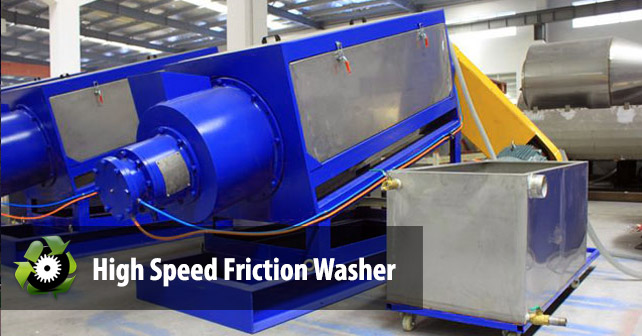
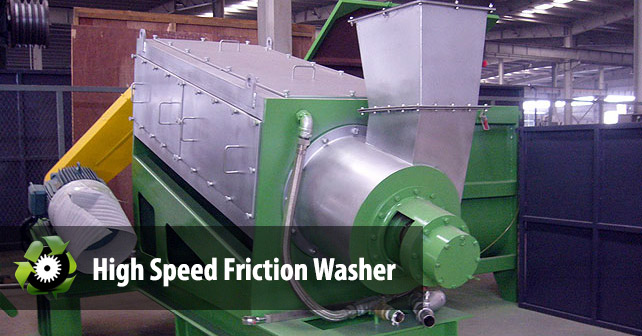
The high friction washer is a German-designed, highly-effective machinery for cleaning PP / PE film in our standard PE film washing line.
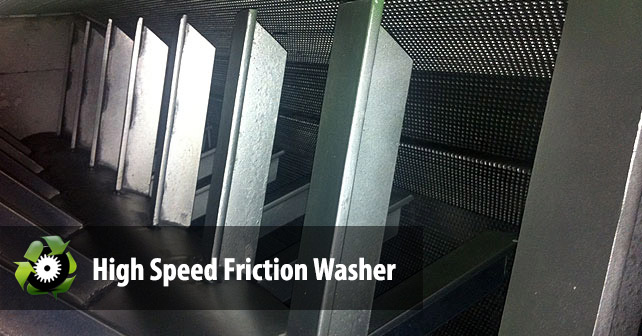
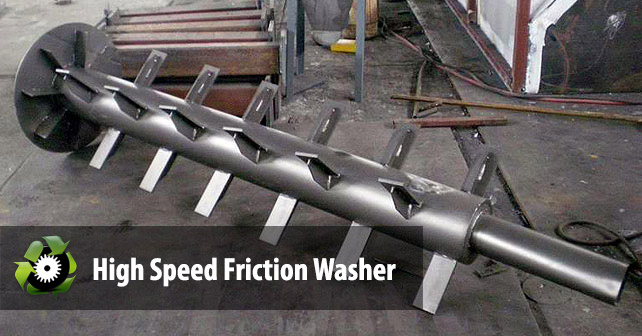
At the core of the high friction washer lies a long, fast-spinning shaft mounted with many tilted paddles that rotates at nearly 1,000 RPMs. As the PP / PE film enters this machine, the plastic film is mixed at high speeds within the washer where friction between each piece of PP / PE film helps scrub off dirt and debris. At the same time, the friction also causes the paper and cardboard to break down into tiny fibers.
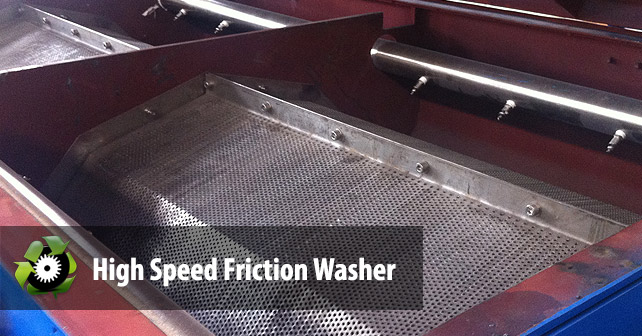
Surrounding the rotating shaft is a mesh screen tunnel used for dewatering and removing small contaminants (such as the paper fibers). A large retangular case surrounds the entire apparatus where water jets are mounted and sprays at the mesh screen preventing potential clogging that may occur.
Specifications
| Model #: | Motor Power: | Main Shaft Diameter: | Rotating Speed: | Capacity: |
| HXJ400 | 37KW | 400mm | 1400 RPM | 400 – 800 KG/H |
| HXJ550 | 45KW | 550mm | 1200 RPM | 600 – 1000 KG/H |
| HXJ750 | 55KW | 750mm | 1080 RPM | 1200 – 2000 KG/H |
More Images
Ordering
Our lead time for single pieces of equipment is 30 days from the signing of purchase contract. For custom orders such as complete washing lines, the lead time is between 60 – 90 days. Actual lead times will depend on the project’s complexity as well as our factory’s availability.
Contact us to discuss pricing and ordering details. Here is a brief summary of our ordering procedures.
Frequently Asked Questions
What materials can the high friction washer process?
The high friction washer is designed for PP and PE film. It is highly effective at scrubbing off dirt and debris from flexible film, and it breaks paper labels and cardboard down into tiny fibers that are then flushed through the mesh screen. It is not intended for rigid plastics or bottles, which typically require different washing equipment.
How does the high friction washer actually clean the film?
A long, fast-spinning shaft fitted with tilted paddles rotates at nearly 1,000 RPM. As film enters, the high-speed mixing makes the film pieces rub against each other, and this film-on-film friction scrubs contaminants off the surface. A surrounding mesh screen tunnel dewaters the material while water jets spray the screen to prevent clogging.
What capacities are available?
Three models are listed: the HXJ400 handles 400–800 kg/h with a 37 kW motor, the HXJ550 handles 600–1000 kg/h with 45 kW, and the HXJ750 handles 1200–2000 kg/h with 55 kW. Real throughput depends on contamination level, feed consistency, and how the upstream equipment is configured.
Where does the friction washer fit in a recycling line?
It typically sits in the washing section of a PE film washing line, after size reduction and before final dewatering and drying. Film is usually shredded or crushed first so the washer receives a consistent feed, and downstream equipment such as a centrifugal dryer removes the remaining moisture.
What maintenance does a high friction washer need?
Regular checks typically include inspecting the mesh screen for wear or blockage, confirming the water jets are clear, checking paddle condition, and monitoring bearings and drive components. Because the machine runs at high speed, keeping the screen clean and the water system flowing is the most important routine task.
What utilities and lead time should buyers plan for?
Depending on the model, the main motor requires 37–55 kW of electrical power, plus a reliable water supply for the spray jets and drainage for the process water. The standard lead time for a single machine is 30 days from contract signing; complete washing lines typically take 60–90 days.