

Introduction
In the plastic recycling process, drying is a crucial step that directly affects the efficiency and quality of downstream processes such as pelletizing and extrusion. Excess moisture in plastic flakes can damage equipment, reduce product quality, and increase energy usage.
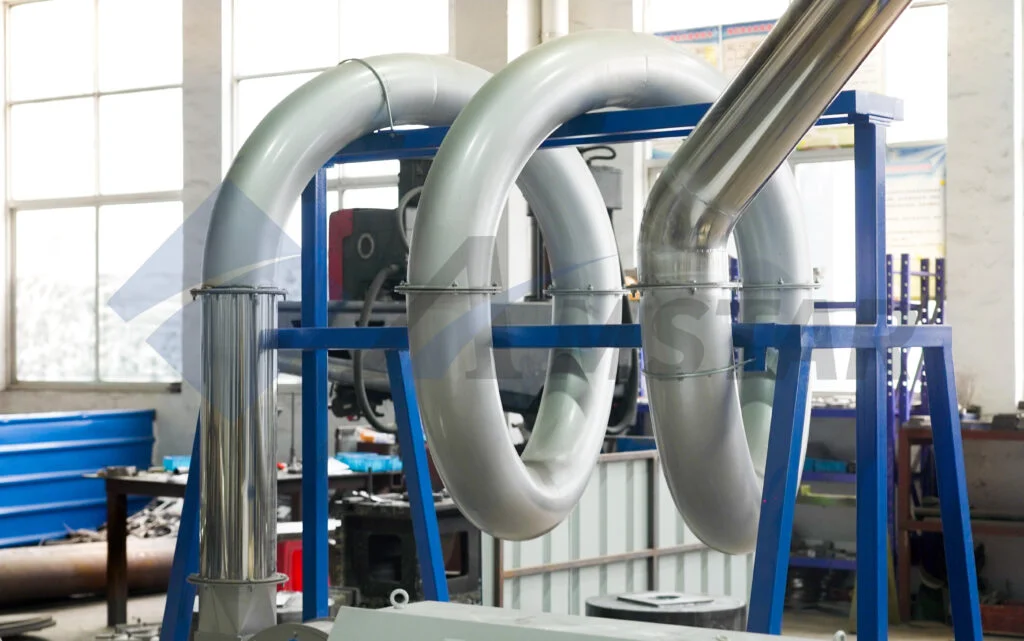
ASG’s Thermal Dryer offers a smart, energy-efficient, and high-performance solution for drying plastic film and rigid materials like PET and HDPE. Designed for modern recycling plants, it helps achieve moisture content as low as below 3%, ensuring operational efficiency and consistent product quality.
Key Features and Advantages
1. Ultra-Efficient Drying
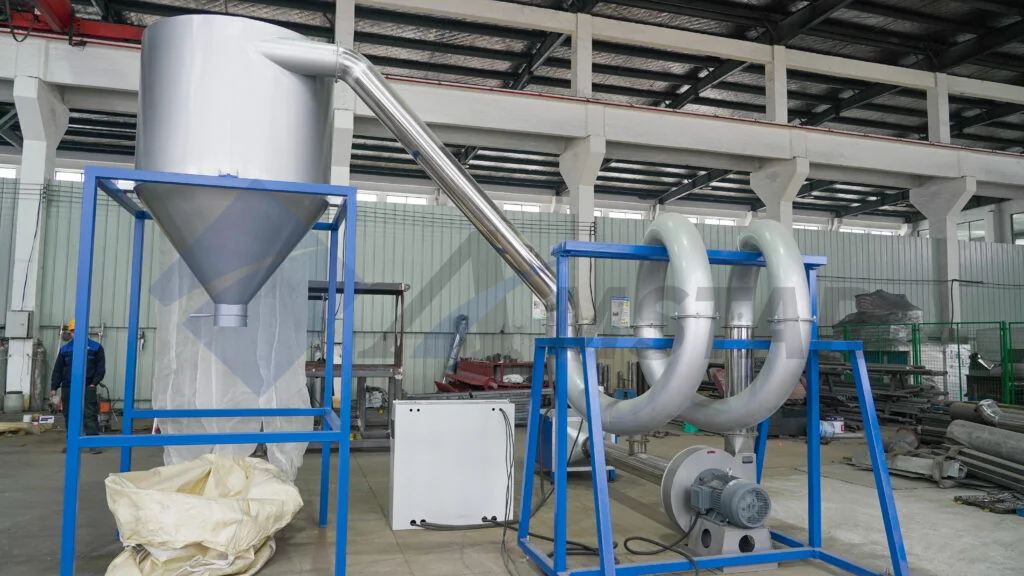
ASG’s dryer uses advanced hot air circulation technology and stainless steel pipelines to ensure uniform heat distribution. It effectively reduces moisture levels to below 3%, making it ideal for extrusion or pelletizing lines.
2. Energy-Saving Design
With optimized airflow paths and premium insulation, the system minimizes heat loss and energy consumption. Optional heat recovery systems can further reduce operational costs.
3. Smart Automation
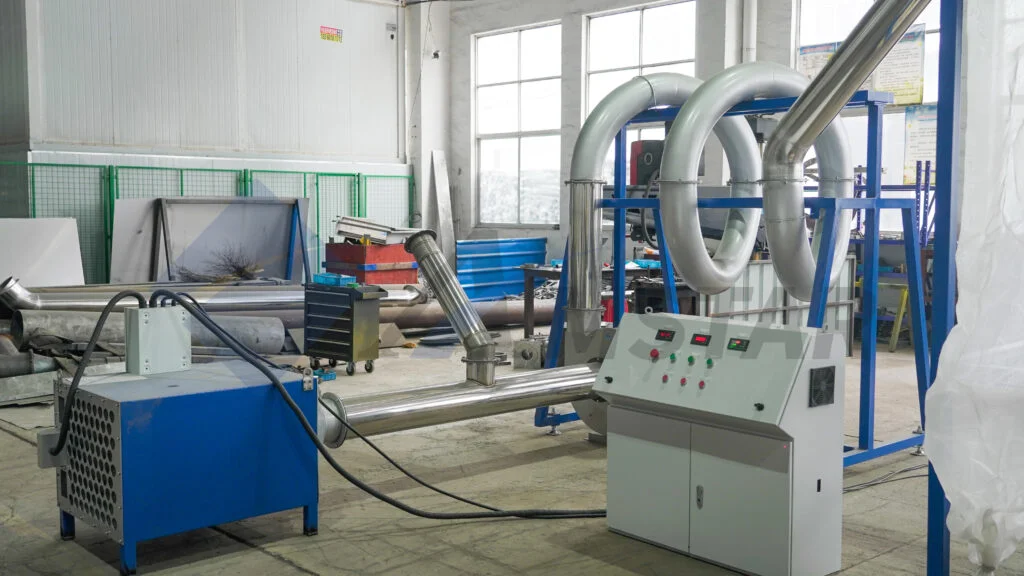
Equipped with PLC controls and real-time sensors, the dryer automatically adjusts temperature and airflow based on the type of plastic material. This automation ensures stable output and reduces manual intervention.
4. Modular and Scalable
Its modular design allows flexible integration with different capacity lines or retrofits. It’s compatible with other ASG washing equipment such as friction washers, dewatering machines, and extruders.
5. Optional Soundproof Enclosure
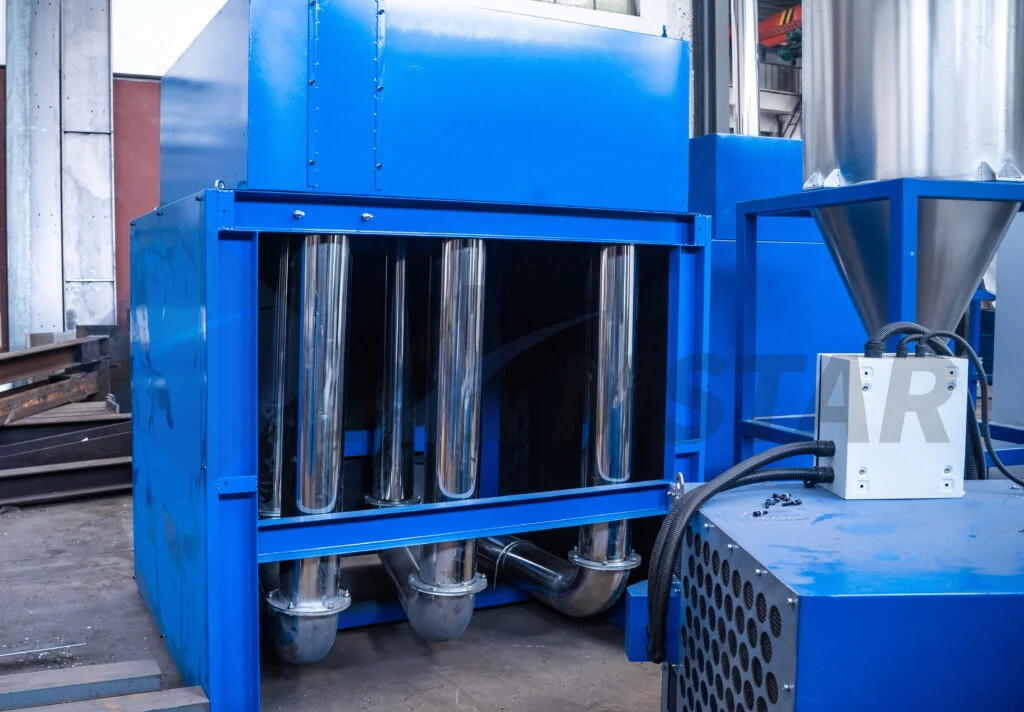
For facilities with strict noise regulations or requiring quieter operation, ASG offers customizable soundproof enclosures. These enclosures help reduce ambient noise levels significantly without affecting performance or accessibility.
Performance Comparison Table
| Feature/Metric | ASG Thermal Dryer | Traditional Hot Air Dryer |
| Drying Efficiency | ⭐⭐⭐⭐⭐ | ⭐⭐⭐ |
| Energy Consumption | ⭐⭐⭐⭐ | ⭐⭐ |
| Suitable Material Types | Films, Rigid Plastics, PET flakes | Limited |
| System Integration | ⭐⭐⭐⭐⭐ | ⭐⭐ |
| Automation & Smart Control | ⭐⭐⭐⭐ | ⭐ |
Market Outlook & Customer Feedback
The global plastic recycling equipment market is projected to reach USD 3.82 billion by 2025, with a CAGR of 6.4%. ASG’s thermal drying solution is already adopted by leading recyclers in Europe, Asia, and North America. Clients report up to 25% reduction in drying time and over 20% savings on energy costscompared to older systems.
Why Choose ASG Thermal Dryer?
✅ Lower moisture content = higher product quality
✅ Reduced energy bills = increased profit margins
✅ Smart controls = less downtime and human error
✅ Flexible integration = future-ready investment
✅ Optional soundproofing = quieter, safer work environment
INQUIRIES
Frequently Asked Questions
How dry can the thermal dryer get plastic flakes?
The dryer uses advanced hot air circulation through stainless steel pipelines to reduce moisture content to below 3%. That level of dryness is ideal for extrusion or pelletizing lines, because excess moisture in flakes can damage equipment, degrade product quality, and increase energy usage downstream.
What materials can the thermal dryer handle?
It is designed for plastic film as well as rigid materials such as PET flakes and HDPE. PLC controls with real-time sensors automatically adjust temperature and airflow based on the plastic type, so the same dryer can switch between films and rigid materials while keeping output stable.
How does the thermal dryer save energy compared with traditional dryers?
Optimized airflow paths and premium insulation minimize heat loss, and optional heat recovery systems can cut operating costs further. Adopters report up to 25% shorter drying times and over 20% savings on energy costs compared with older hot air dryers — a meaningful margin for plants running continuous shifts.
Can the thermal dryer be integrated into an existing washing line?
Yes. Its modular design allows flexible integration with different capacity lines or retrofits, and it is compatible with other washing equipment such as friction washers, dewatering machines, and extruders. Because the PLC auto-adjusts to material type, the dryer slots into the drying stage without demanding changes to the rest of the line.
Is the thermal dryer noisy?
Hot air drying equipment can be loud, so for facilities with strict noise regulations — or simply a preference for quieter operation — a customizable soundproof enclosure is available. The enclosure significantly reduces ambient noise levels without affecting drying performance or service accessibility.
What maintenance does a thermal dryer require?
Inspect the stainless steel pipelines and insulation periodically for damage or heat loss, keep air filters and circulation paths clean, and verify that the PLC sensors and controls are reading accurately. As with any thermal equipment, follow the manufacturer’s recommended service schedule and keep critical spares on hand to avoid unplanned downtime.