

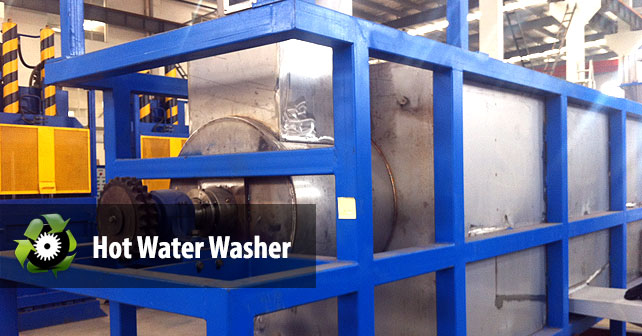
Hot water washer for PET flakes
Introduction
In the world of PET recycling, achieving high-quality, contaminant-free flakes is paramount for maximizing profitability and meeting industry standards. The hot washer for PET flakes stands as the core component in any advanced PET bottle washing line, engineered to eliminate stubborn impurities such as adhesives, oils, greases, and residual food or liquids. This guide delves into the mechanics, advantages, and specifications of hot washers, offering valuable insights for industry professionals, potential buyers, and international traders looking to invest in efficient, reliable recycling machinery.
How a Hot Washer for PET Flakes Works
Unlike conventional systems, modern hot washers, like those from ASG Machine, utilize innovative designs to optimize cleaning efficiency. The process involves a large screw auger that transports PET flakes horizontally through a boiling water bath. Energy efficiency is enhanced through perforations in the auger that spray hot water directly onto the flakes from within, ensuring thorough penetration and cleaning.
Surrounding the auger is a mesh screen tunnel that confines the flakes while allowing smaller contaminants to escape. This method not only improves cleaning effectiveness but also reduces energy consumption and operational costs, making it a preferred choice for sustainable recycling operations.
Key Benefits of Using a Hot Washer in PET Recycling
Integrating a hot washer into your PET washing line offers numerous advantages:
- Superior Contaminant Removal: Effectively eliminates challenging residues that cold washing cannot address, ensuring higher purity levels.
- Increased Flake Value: Produces “hot-washed” flakes that command premium prices in the market due to their quality.
- Energy Efficiency: Advanced designs minimize heat and water usage, aligning with eco-friendly and cost-saving operational goals.
- Durability and Low Maintenance: Constructed with durable materials like Type 304 stainless steel, these machines are built for longevity and minimal downtime.
Technical Specifications and Available Models
When selecting a hot washer, understanding the technical specifications is crucial for matching the equipment to your production needs. Below is a detailed overview of a popular model:
| Model # | Main Motor Power | Shaft Rotation Speed | Boiler Material | Conveyor Power | Conveyor Speed |
|---|---|---|---|---|---|
| ZG1700 | 7.5KW | 20 RPM | Type 304 Stainless Steel | 3.7KW/H | 20-80 RPM (Frequency Controlled) |
This model exemplifies the blend of power, efficiency, and reliability that professionals seek in industrial recycling machinery.
Industry Trends and Buyer’s Guide
The demand for high-quality recycled PET is rising, driven by global sustainability initiatives and corporate recycling commitments. Investing in a state-of-the-art hot washer ensures your facility remains competitive. When evaluating options, consider:
- Throughput Capacity: Match the machine’s output with your production volume.
- Customization Options: Some projects may require tailored solutions for specific contaminants or space constraints.
- Supplier Reputation: Choose established providers like ASG Machine for proven reliability and support.
- After-Sales Service: Ensure access to maintenance, spare parts, and technical assistance.
Frequently Asked Questions (FAQ)
Q: What is the primary function of a hot washer in PET recycling? A: It removes tough contaminants like glues, oils, and food residues through a heated washing process, crucial for producing high-value, clean PET flakes.
Q: How does the hot washer achieve energy efficiency? A: Through designs like internal water spraying and controlled conveyor speeds, it reduces water and energy consumption while maintaining effective cleaning.
Q: What materials are used in constructing these machines? A: High-quality, corrosion-resistant materials such as Type 304 stainless steel are standard, ensuring durability and compliance with industry hygiene standards.
Q: Can the hot washer be integrated into existing washing lines? A: Yes, most models are designed for compatibility and can be customized to fit into current setups seamlessly.
Q: What is the typical lead time for delivery and installation? A: Standard orders ship within 30 days, while custom or complete line orders may take 60–90 days, depending on complexity and production schedule.
Conclusion
The hot washer for PET flakes is an indispensable asset for any state-of-the-art PET bottle washing line, delivering unmatched cleaning performance, operational efficiency, and ROI. By understanding its workings, benefits, and technical aspects, industry professionals can make informed decisions that enhance their recycling capabilities.
For expert guidance and cutting-edge solutions, contact ASG Machine or explore our complete PET bottle washing line systems.
Frequently Asked Questions
What water temperature does a hot washer operate at?
Hot washers typically run near-boiling water, around 90–100°C, combined with caustic soda and detergent. The heat dissolves hot-melt adhesives, oils, greases, and food residues that cold washing cannot remove. Precise temperature control matters: too cool and contaminants survive; too hot and you waste energy. Modern units like the ZG1700 use insulated boilers and recirculated water to hold temperature steadily while limiting steam and water consumption.
What chemicals are used in the hot washing process?
The standard recipe is caustic soda (sodium hydroxide) plus a detergent or surfactant, which together saponify oils and break down label adhesives. Concentration and pH are monitored and topped up as the bath loads with contaminants. After the hot stage, flakes pass through friction washing and clean-water rinsing stages so no chemical residue remains — essential for producing flakes that meet buyer quality specifications.
Where does the hot washer sit in a PET bottle washing line?
The hot washer typically follows crushing and pre-washing and comes before friction washing, rinsing, sink-float separation, and drying. Labels are removed upstream by a label remover, and the hot stage targets what remains: adhesives, oils, and fine dirt. Placing it mid-line protects downstream equipment and ensures flakes entering the dryer are already chemically clean, which raises final flake value.
How much energy and water does the hot washer consume?
The ZG1700 model uses a 7.5 kW main motor plus a 3.7 kW frequency-controlled conveyor drive, with additional energy for heating the water bath. Water consumption stays low because the system recirculates the hot bath and only needs periodic top-ups and purges. Insulated construction and internal spray perforations in the auger improve heat transfer, so energy goes into cleaning rather than being lost.
What maintenance does a hot washer require?
Key tasks include periodic descaling of the boiler and heating surfaces, inspecting the auger’s spray perforations for blockages, checking the mesh screen tunnel for wear or tears, and monitoring the drive, bearings, and seals. Although Type 304 stainless steel resists corrosion, regular checks prevent efficiency loss. A scheduled preventive maintenance routine keeps cleaning performance consistent and extends equipment life.
Can the hot washer remove hot-melt glue and label residues?
Yes — dissolving hot-melt adhesives and label glue is exactly what the hot caustic bath is designed for. Full labels should be removed upstream by a label remover and air classification, but the sticky residues they leave behind dissolve in the hot washer. PVC label fragments, if any remain, are separated later by sink-float tanks since PVC sinks while PET flakes float. The result is clean, premium-grade hot-washed flakes.