

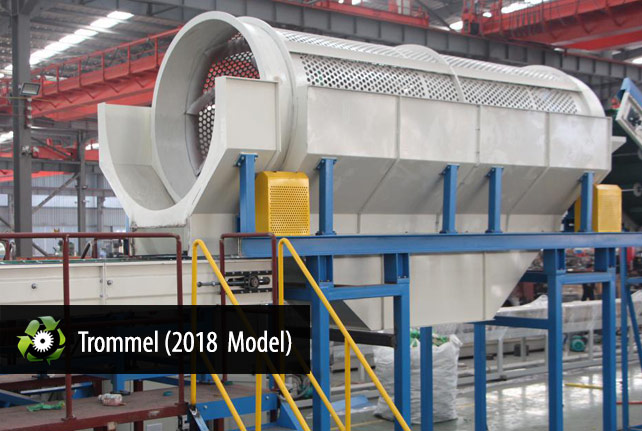
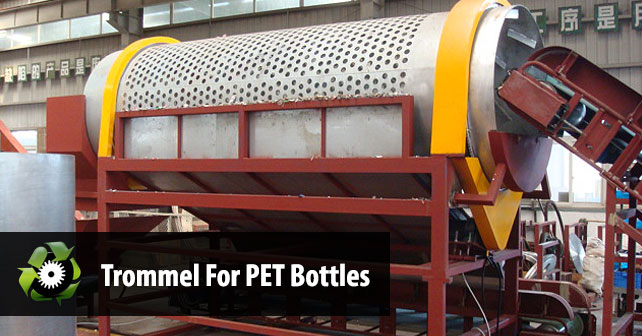
Trommel separator for PET bottles
Introduction to Trommel Separators in PET Recycling
Trommel separators play a critical role in modern PET bottle recycling operations, serving as the first line of defense against contaminants that can compromise product quality and damage downstream equipment. These durable machines efficiently remove unwanted materials such as glass fragments, metals, wood, paper, and cardboard before bottles proceed to granulation. The effectiveness of trommel separators directly impacts the purity of recycled PET flakes, making them indispensable in high-output recycling facilities.
Industrial operations worldwide rely on trommel technology to maintain processing efficiency and protect valuable equipment. As global demand for recycled PET continues growing—driven by sustainability initiatives and circular economy goals—effective contaminant removal has become increasingly important. Properly implemented trommel systems can increase material recovery rates while reducing maintenance costs and downtime.
How Trommel Separators Work: Engineering Excellence
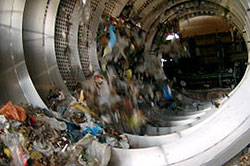
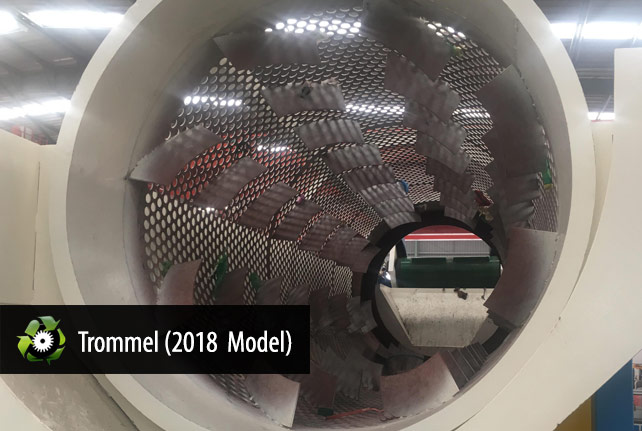
Trommel separator interior view
Trommel separators operate on a simple yet highly effective principle: size-based separation through rotational screening. The machine consists of a large cylindrical drum made of perforated mesh screen, typically mounted at a slight incline. As the drum rotates at controlled speeds, material fed into the system travels gradually downward due to gravity and the angle of installation.
Internal lifters or flights continuously lift and cascade the PET bottles, exposing all surfaces to the screening surface while promoting forward movement. This tumbling action serves multiple purposes: it breaks apart loosely bound materials, abrades surface contaminants, and presents multiple opportunities for undersized particles to pass through the screen openings.
The screening process is precisely calibrated to retain PET bottles while allowing smaller contaminants to fall through the mesh. Screen aperture size is critical—typically designed to retain whole bottles and larger fragments while rejecting smaller undesirable materials. This selective separation ensures maximum PET recovery while effectively removing problematic contaminants that could otherwise damage granulators, extruders, or final products.
Advanced trommel designs incorporate features such as variable speed drives, segmented screen sections with different aperture sizes, and internal spray systems for enhanced cleaning. These innovations allow operators to fine-tune separation parameters based on specific feed material characteristics, optimizing performance for different input streams.
Technical Specifications: ASG Standard Trommel Separator
ASG’s standard trommel separator represents industry-leading engineering with robust construction and reliable performance. The specifications below detail the baseline configuration, with custom options available to meet specific operational requirements.
| Specification | Value |
|---|---|
| Diameter | φ1500 mm |
| Trommel Length | 4500 mm |
| Construction Material | Carbon Steel |
| Tilt Angle | 5° |
| Motor Power | 5.5 KW |
| Reduction Ratio | 1:17 |
| Screen Cleaning | Automatic Brush System |
| Capacity | 2-3 tons/hour (varies by material) |
The automatic brush cleaning system represents a significant advancement in trommel technology, continuously maintaining screen openness by preventing material blinding. This feature ensures consistent throughput and separation efficiency while reducing maintenance requirements and downtime.
For operations with specialized needs, ASG Machine offers custom trommel solutions with variable dimensions, screen configurations, construction materials (including stainless steel for corrosive environments), and additional features such as integrated metal detection or air classification systems.
Applications Beyond PET Recycling
While particularly effective in PET bottle washing lines, trommel separators find extensive application across multiple waste processing and recycling scenarios:
Municipal Solid Waste (MSW) Processing: Trommels serve as primary separators in MSW facilities, dividing incoming waste into size-based fractions for downstream processing. They effectively separate organic material, fines, and recyclables, improving recovery rates and reducing landfill burden.
Construction and Demolition Waste Recycling: In C&D operations, trommels separate valuable aggregates from finer debris, recovering wood, metals, and clean aggregate while rejecting contaminants.
Compost Production: Organic waste processing facilities use trommels to remove inert materials from compost feedstocks, improving product quality and reducing contamination.
Electronic Waste Recycling: E-waste processors employ trommel technology to separate components by size before specialized recovery processes, enhancing overall system efficiency.
Mining and Mineral Processing: Trommels have long been used in mineral processing for size classification and scrubbing applications, demonstrating their versatility across industries.
Industry Trends and Technological Advancements
The trommel separator market continues evolving with several notable trends shaping equipment design and application:
Smart Technology Integration: Modern trommels increasingly incorporate IoT sensors and connectivity for real-time performance monitoring, predictive maintenance, and operational optimization. These systems track throughput, screen effectiveness, and wear patterns, allowing data-driven decision making.
Modular Design: Leading manufacturers like ASG Machine now offer modular trommel systems that can be easily reconfigured or expanded as processing needs change, providing flexibility and protecting equipment investments.
Enhanced Durability Features: Advances in wear-resistant materials, including polyurethane screen surfaces and hardened steel components, extend equipment lifespan in abrasive applications while reducing maintenance requirements.
Energy Efficiency Improvements: Variable frequency drives, optimized gear systems, and improved motor technologies reduce energy consumption while maintaining performance standards.
Hybrid Separation Systems: Increasingly, trommels are being integrated with other separation technologies such as air classifiers, magnetic separators, and optical sorters to create comprehensive separation solutions that maximize material recovery.
Selecting the Right Trommel Separator: A Buyer’s Guide
Choosing the appropriate trommel separator requires careful consideration of multiple factors to ensure optimal performance and return on investment:
Material Characteristics: Analyze the size distribution, moisture content, abrasiveness, and composition of your feed material. This analysis will inform screen selection, rotational speed, and inclination settings.
Capacity Requirements: Determine both current and anticipated future throughput needs to properly size equipment. Consider peak loading conditions and potential expansion requirements.
Contamination Profile: Understand the types and sizes of contaminants present to select appropriate screen configurations and additional separation technologies if needed.
Space Constraints: Evaluate available installation space, including headroom requirements, access for maintenance, and integration with existing material handling systems.
Operational Environment: Consider environmental factors such as temperature extremes, exposure to corrosive elements, and available utilities when selecting construction materials and drive systems.
Maintenance Considerations: Assess available maintenance resources and technical capabilities when evaluating equipment complexity and service requirements.
Regulatory Compliance: Ensure selected equipment meets all applicable safety, environmental, and operational regulations in your jurisdiction.
Installation and Operational Best Practices
Proper installation and operation are critical to maximizing trommel separator performance and longevity:
Foundation Requirements: Ensure adequate structural support for the equipment, considering both static and dynamic loads during operation. Proper foundation design prevents excessive vibration and misalignment.
Feed System Design: Implement controlled, even feeding across the full width of the trommel to prevent localized wear and optimize screening efficiency. Consider using vibratory feeders or conveyor systems with spreading capabilities.
Discharge Management: Plan for proper handling of both accept and reject streams, ensuring adequate capacity and preventing material buildup that could impede operation.
Maintenance Program: Establish regular inspection and maintenance schedules focusing on screen integrity, wear components, drive systems, and structural elements. Keep detailed maintenance records to identify patterns and anticipate needs.
Operational Monitoring: Regularly monitor key performance indicators including throughput rates, separation efficiency, power consumption, and product quality. Use this data to optimize operational parameters and identify developing issues.
Additional Equipment Images
Trommel separator external view
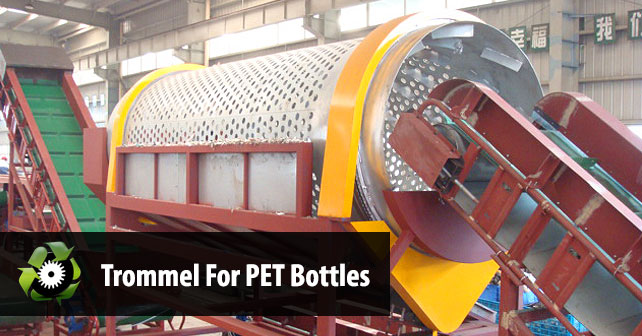
Trommel separator in operation
Trommel separator detail view
Frequently Asked Questions
What contaminants does a trommel separator remove before granulation?
A trommel removes glass fragments, metals, wood, paper, cardboard, stones, and other undersized debris from the bottle stream before it reaches the granulator. This protects knives and screens from damage, cuts unplanned downtime, and keeps the final PET flakes cleaner. Pairing the trommel with a metal detector upstream catches larger ferrous pieces the screen alone cannot stop.
How do I match trommel capacity to my PET washing line?
ASG’s standard trommel handles roughly 2–3 tons per hour, so it suits mid-size PET bottle washing lines in that range. Size for your peak feed rate — not the average — and confirm the rest of the line (granulator, washers, dryer) can accept the trommel’s output continuously. For larger plants, specify a longer drum or a wider diameter rather than overfeeding the standard unit.
What screen aperture should I specify for whole PET bottles?
The aperture must retain whole bottles and large fragments while letting smaller contaminants fall through. For typical post-consumer PET bottle streams, that usually means a mesh opening noticeably smaller than a whole bottle but large enough that fines pass freely. ASG can supply segmented screens with different apertures along the drum length when your feed contains mixed bottle sizes.
Can a trommel handle wet or sticky feedstock?
Yes, within limits. Moist material generally screens acceptably, and some plants add water spray inside the drum to improve cleaning of dirty bottles. Very wet or muddy feed, however, can blind the mesh, so screen choice and the automatic brush cleaning system matter more in those conditions. Tell the supplier about your feed’s moisture content when specifying the machine.
What are the power and installation requirements?
The standard unit runs on a modest 5.5 kW motor through a 1:17 reduction drive, so electrical needs are small compared with granulators and dryers. Budget more effort for the civil works: the 1.5 m diameter, 4.5 m long drum needs a solid foundation, headroom for the inclined installation, even infeed across the drum width, and conveyors or chutes for both the accept and reject streams.
Where does the trommel sit in a complete PET bottle washing line?
It is the first process step: loose bottles enter the rotating drum, contaminants fall through the screen, and clean bottles discharge to the granulator. Downstream, the granulated flakes move through washing, rinsing, and centrifugal drying before pelletizing. Installing the trommel up front protects every machine behind it and stabilizes flake quality across the whole line.
Place An Order
The general lead time for all single-piece, standard equipment orders is 30 days. For custom orders or complete washing lines, the lead time is between 60–90 days. The actual lead time will depend heavily on the complexity of the project as well as the amount of machinery we have in queue at the time of your order.
Contact us to discuss pricing and ordering details. Our technical team will work with you to understand your specific requirements and recommend the optimal trommel configuration for your application. We provide comprehensive support from initial consultation through installation and commissioning, ensuring your equipment delivers maximum performance and return on investment. Explore our complete PET bottle washing line solutions for integrated recycling systems.