

high-speed-friction-washer-05
Advanced Cleaning Technology for PET Recycling Operations
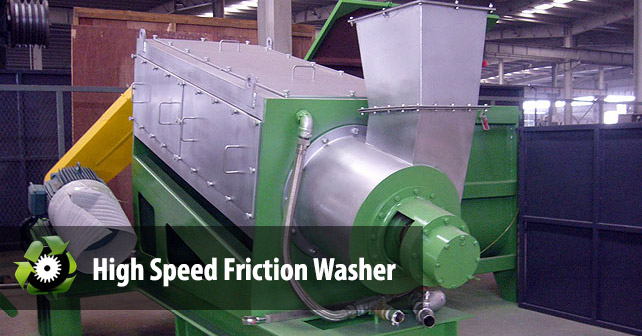
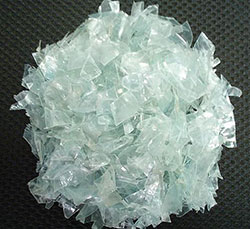
The high-speed friction washer represents a critical advancement in PET bottle recycling technology, delivering exceptional cleaning performance through mechanical action. As a core unit of a modern PET bottle recycling line, this industrial-grade equipment, available through leading manufacturers like ASG Machine, utilizes precisely engineered friction mechanisms to remove contaminants from PET flakes with remarkable efficiency.
Unlike traditional washing methods that rely heavily on chemical agents or excessive water usage, modern friction washers employ mechanical energy to achieve superior cleaning results. The process begins after the initial hot wash cycle, where the friction washer uses cold water to further dislodge and remove stubborn contaminants through high-speed mechanical action.
Engineering Excellence: How Friction Washers Operate
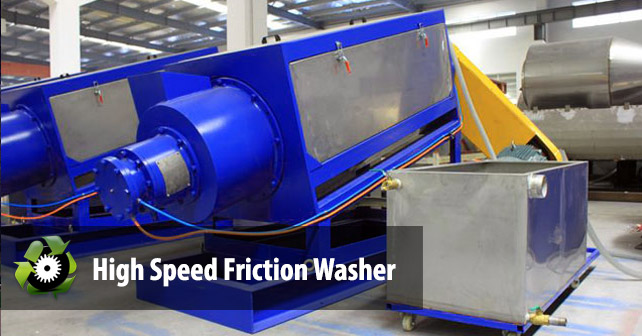
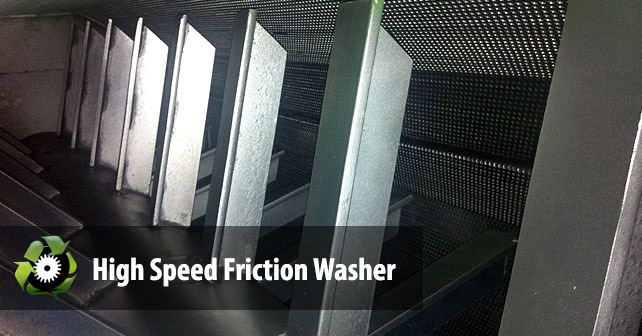
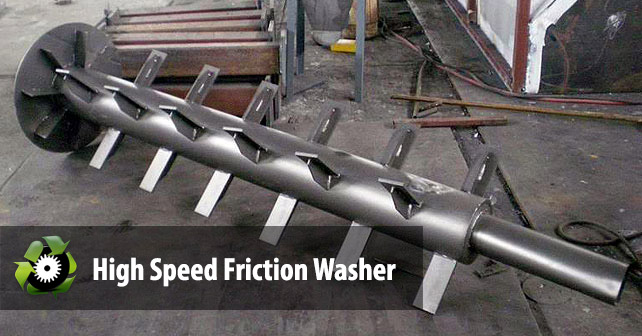
At the core of ASG’s high-speed friction washer technology lies a precision-engineered rotating shaft system operating at nearly 1,000 RPM. This high-velocity rotating mechanism features strategically angled paddles that create intense friction between PET flakes, effectively scrubbing away dirt, labels, adhesives, and other contaminants.
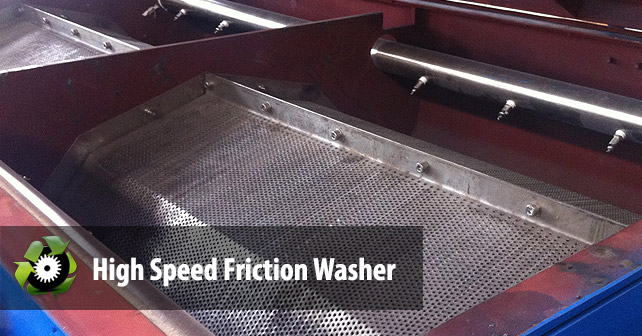
The machine’s design incorporates a mesh screen tunnel surrounding the rotating shaft, which serves dual purposes: dewatering cleaned flakes and filtering out small particulate contaminants. Water jets strategically positioned throughout the apparatus continuously spray the mesh screen, preventing clogging and ensuring consistent operation.
Engineered with a 15-degree incline, the friction washer facilitates optimal material flow. Contaminated PET flakes enter through a vertical feeder at the lower end, progressing through the cleaning chamber where mechanical friction and water action work simultaneously. The cleaned flakes exit at the higher end, ready for the drying phase in your recycling line.
Technical Specifications and Model Comparison
| Model # | Motor Power | Shaft Diameter | Rotating Speed | Capacity Range |
|---|---|---|---|---|
| HXJ400 | 37 KW | 400 mm | 1400 RPM | 400-800 KG/H |
| HXJ550 | 45 KW | 550 mm | 1200 RPM | 600-1000 KG/H |
| HXJ750 | 55 KW | 750 mm | 1080 RPM | 1200-2000 KG/H |
Operational Benefits for Recycling Facilities
Modern friction washers deliver significant advantages for PET recycling operations:
Enhanced Cleaning Efficiency: The high-speed mechanical action ensures thorough contaminant removal, producing cleaner flakes that meet stringent quality standards for recycled PET materials.
Reduced Water Consumption: Compared to traditional washing methods, friction technology uses significantly less water while maintaining superior cleaning performance, reducing both operational costs and environmental impact.
Energy Optimization: With power requirements ranging from 37-55 KW depending on model capacity, these machines offer excellent energy efficiency for industrial-scale operations.
Minimal Maintenance Requirements: Robust construction and intelligent design minimize downtime and maintenance needs, ensuring consistent operation in demanding industrial environments.
Industry Applications and Integration
High-speed friction washers serve as essential components in complete PET bottle washing lines, integrating seamlessly with: – Pre-washing systems – Hot wash units – Floating separation tanks – Drying systems – Final screening equipment
These machines are particularly valuable for facilities processing post-consumer PET bottles, where effective contaminant removal is critical for producing high-quality recycled material suitable for food-grade applications.
Technical Innovation and Design Features
pet-bottle-flakes-cleaned
Advanced friction washers incorporate several innovative design elements:
Precision Engineering: The rotating shaft and paddle system is manufactured to exacting tolerances, ensuring consistent performance and longevity in industrial environments.
Smart Water Management: Strategically positioned water jets optimize cleaning efficiency while minimizing water consumption, with automated controls maintaining optimal operational parameters.
Durable Construction: Built with industrial-grade materials resistant to abrasion and corrosion, these machines withstand the demanding conditions of continuous recycling operations.
Adaptable Design: Modular construction allows for customization to specific operational requirements and integration with existing recycling lines.
Quality Assurance and Performance Standards
All friction washers undergo rigorous testing and quality control procedures to ensure they meet international performance standards. This includes: – Material quality verification – Operational performance testing – Durability and stress testing – Safety compliance certification
Frequently Asked Questions
What is the typical installation timeframe for a friction washer?
A standalone friction washer installation typically takes 2–3 days once foundations, electrical supply and water connections are ready. Integrating the unit into a complete PET washing line usually takes 5–7 working days, depending on facility layout and how it connects to the hot wash unit, separation tanks and drying equipment. Our team provides installation planning and on-site commissioning support.
How often does the mesh screen require replacement?
Under normal operating conditions, the mesh screen in a friction washer typically lasts 6–12 months before replacement is needed. Actual service life depends on throughput, the contamination level of incoming PET flakes and how abrasive the material is. Regular inspection and the built-in water jets that keep the screen clear help extend its life and keep dewatering performance consistent.
What maintenance is required for optimal performance?
Routine care includes daily inspection of moving parts, weekly lubrication of bearings and monthly comprehensive system checks. Because the shaft runs at roughly 1,000–1,400 RPM, keeping paddles, bearings and the mesh screen in good condition is essential for stable output. For a full preventive program, see our PET recycling machine maintenance guide.
Can friction washers handle different types of plastic materials?
These machines are optimized for PET flake cleaning, where high-speed mechanical friction removes labels, glue and dirt effectively. They can be configured for other rigid plastics, but paddle geometry, screen mesh size and rotor speed may need adjustment to suit the material. Consult with our engineering team about your specific feedstock before using the washer outside PET applications.
What water quality specifications are required?
Standard municipal water quality is typically sufficient for the cold-water cleaning circuit of a friction washer. The continuous spray jets need a reasonably clean supply to avoid clogging. If your facility has hard or dirty water, we can equip the system with filtration units so the mesh screen stays clear and cleaning performance remains stable.
How does the friction washer impact final product quality?
The high-speed mechanical scrubbing action removes stubborn contaminants that earlier wash stages miss, producing cleaner PET flakes with higher purity. Cleaner flakes are easier to dry to low moisture, process more consistently in extrusion and can meet the stricter quality standards that command better market prices and open up higher-value applications.
Visual Documentation
high-speed-friction-washer-04
high-speed-friction-washer-02
high-speed-friction-washer-03
high-speed-friction-washer-01
Ordering Information and Lead Times
Standard equipment orders typically ship within 30 days of order confirmation. Custom configurations and complete washing line systems require 60-90 days for manufacturing, testing, and preparation. Lead times may vary based on project complexity and current production schedule.
Our technical team provides comprehensive support throughout the ordering process, including: – Facility assessment and system design – Technical specifications review – Installation planning – Operational training programs – Ongoing technical support
Contact our engineering specialists to discuss your specific requirements and receive detailed pricing information. We provide customized solutions tailored to your operational needs and production goals. Explore our complete PET bottle washing line solutions for integrated recycling systems.