

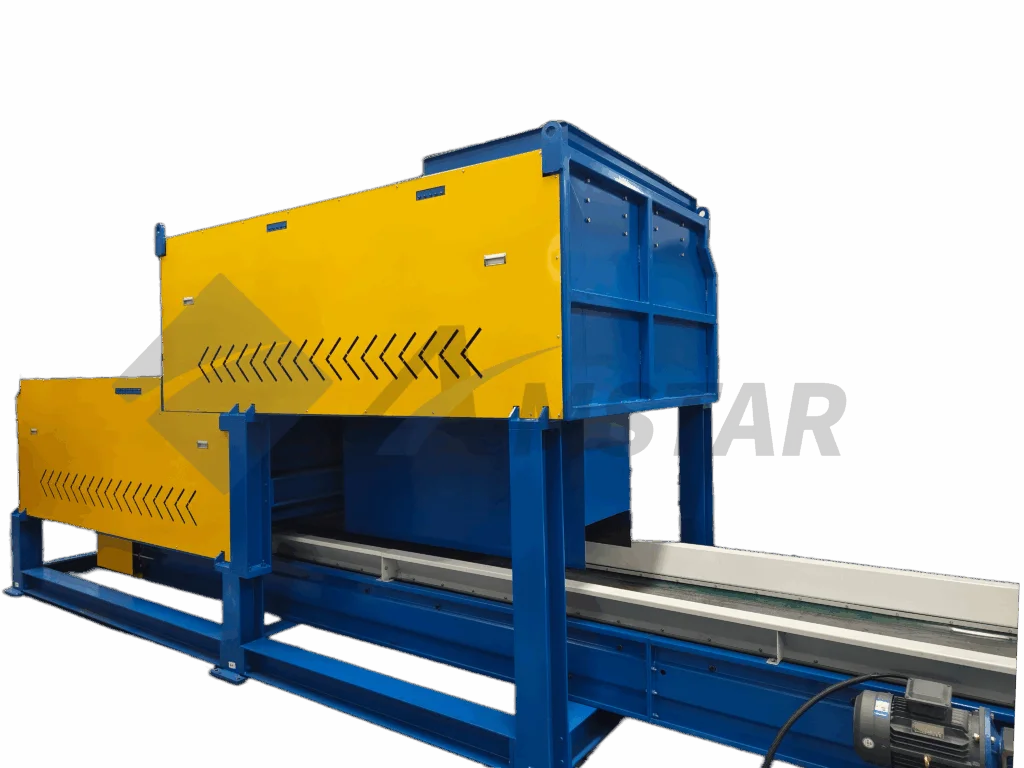
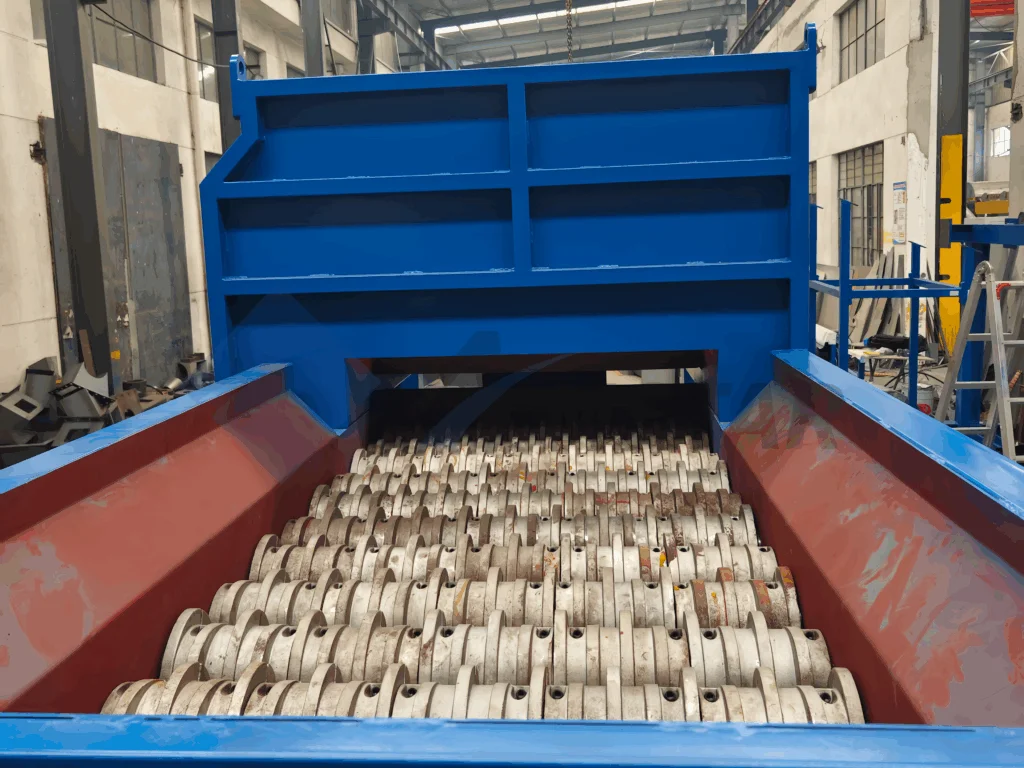
The Roller / Disc Screen is a high-performance, heavy-duty screening solution specifically designed for plastic recycling lines. Featuring multiple rotating shafts equipped with cast-steel or coated discs, this equipment excels at precise size-based separation, making it a vital pre-sorting unit for modern PET, HDPE, PP, and mixed plastic recycling systems.
Key Role in Plastic Recycling
- Size-Based Plastic Separation: Ideal for pre-classifying bottles, caps, films, and rigid plastics to improve the efficiency of polymer-type and color-based sorting downstream.
- Upstream to Optical Sorting: Ensures consistent particle size input to optical sorters, enhancing sorting accuracy and yield.
- Glass Breaking: In mixed waste or bottle recovery streams, the screen can also aid in breaking and removing glass prior to optical separation, minimizing equipment wear.
Advantages
- High Throughput & Low Maintenance: Handles high material volumes with reduced clogging and lower noise levels than traditional trommel screens.
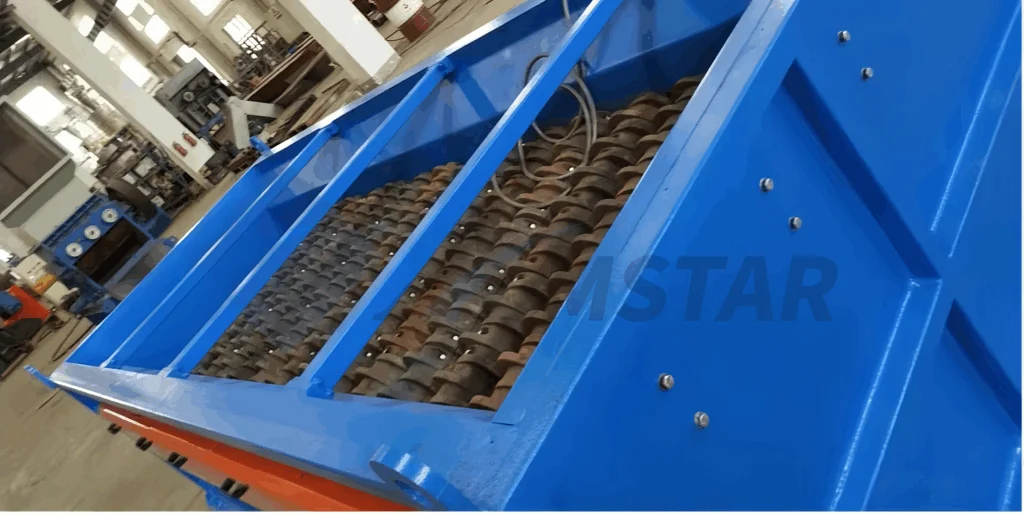
- Anti-Wrap Disc Technology: Interlaced discs minimize material wrapping, reduce cleaning downtime, and ensure smooth operation.
- Versatile Sizing Options: Enables efficient separation and fines removal for precise material grading.
- Compact & Modular Design: Fits well into compact washing or sorting lines without sacrificing performance.
Configuration Options
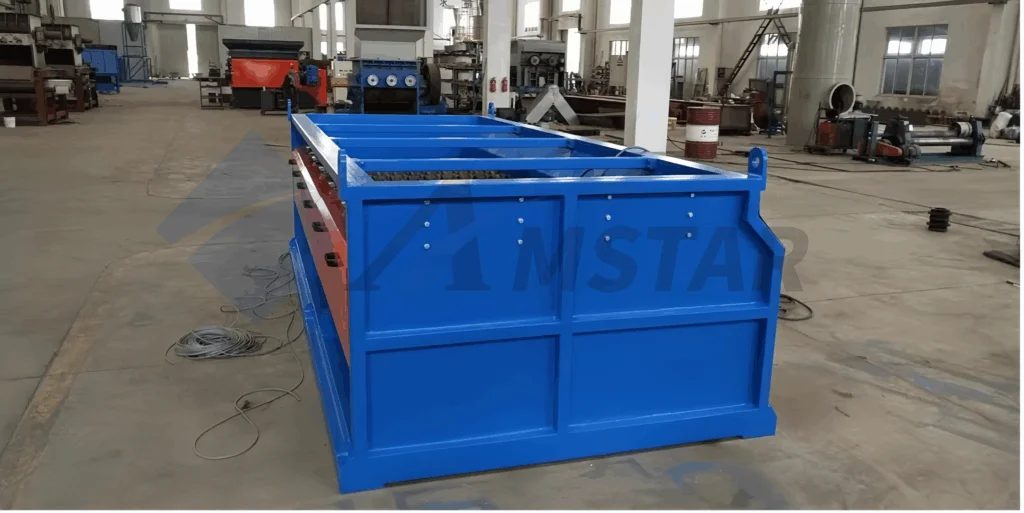
Available in single-deck (XXS Series) and double-deck (YPS Series) layouts, tailored to match plant capacity and space constraints.
Single Deck – XXS100 Series
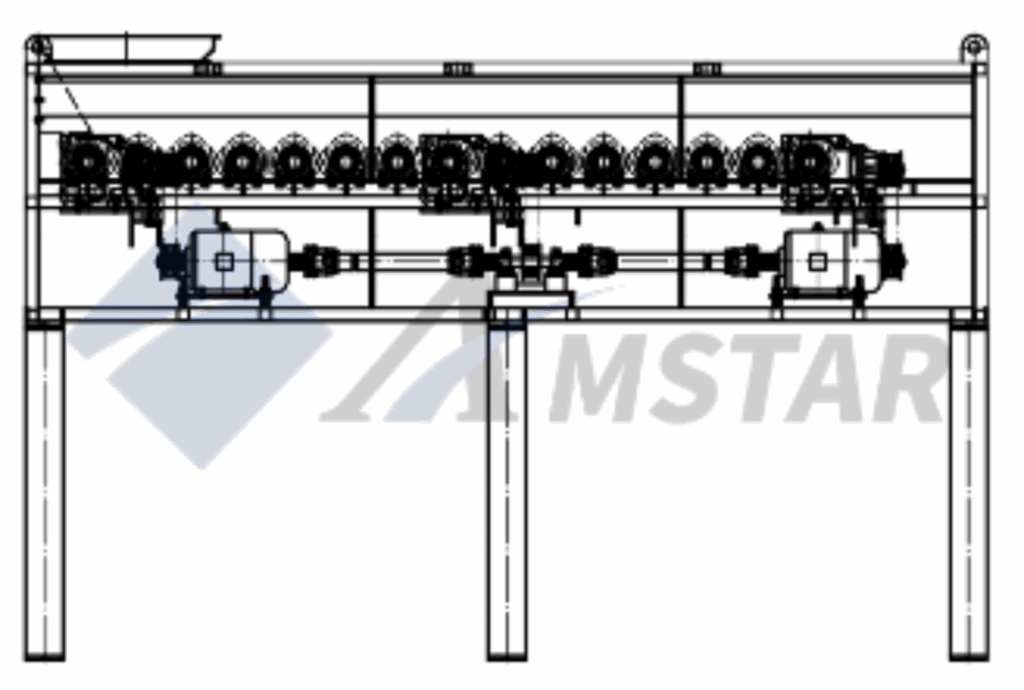
| Model | Motor power | Screen hole Size | Screen width |
| XXS100-15 | 2*5.5KW | 35*42mm/50*50mm/100*100mm | 1100mm/1100mm/1320mm |
| XXS100-18 | 2*7.5KW | ||
| XXS100-21 | 2*11KW |
Double Deck – YPS100 Series
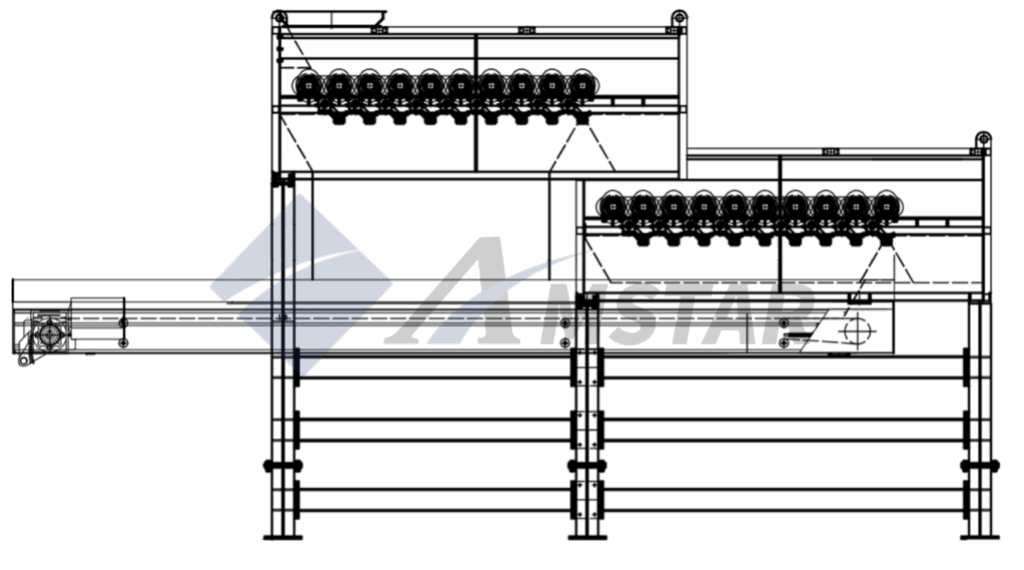
| Model | Motor power | Screen hole Size | Screen width |
| YPS100-15 | 4*5.5KW | 35*42mm/50*50mm/100*100mm | 1100mm/1100mm/1320mm |
| YPS100-18 | 4*7.5KW | ||
| YPS100-20 | 4*11KW |
Primary Applications in Plastic Recycling
- PET Bottle Recycling Lines: Pre-sorting bottles, caps, and labels by size before washing and optical sorting.
- PE/PP Film and Rigid Plastic Pre-treatment: Enhances washing, flotation, and pelletizing performance by ensuring consistent feed sizes.
- Optical Sorting Feed Preparation: Removes oversized or undersized particles to stabilize optical sorter throughput and accuracy.
- Glass Contaminant Reduction: In mixed plastic or municipal streams, aids in breaking/removing glass prior to optical or eddy current separation (optional).
By integrating the Roller / Disc Screen into your plastic recycling line—whether for bottle flakes, films, or rigid materials—you ensure a smoother, cleaner, and more efficient sorting process.
INQUIRIES
Frequently Asked Questions
What does a roller/disc screen do in a recycling line?
It performs precise size-based separation of plastics before the main process. Multiple rotating shafts fitted with cast-steel or coated discs let undersized particles fall through while oversized material travels onward. As a pre-sorting unit, it classifies bottles, caps, films, and rigid plastics so downstream washing, sorting, and pelletizing stages receive a consistent, well-graded feed.
What is the difference between the single-deck and double-deck models?
The XXS100 series is a single-deck screen, while the YPS100 series adds a second deck for two-stage separation in one unit. Single-deck models use 2×5.5–11KW of motor power; double-deck models use 4×5.5–11KW. The choice depends on your plant capacity, the number of fractions you need, and available space — double-deck suits higher throughputs and tighter layouts.
What screen opening sizes are available?
Standard screen hole sizes are 35×42mm, 50×50mm, and 100×100mm, with screen widths of 1100mm or 1320mm depending on the model. This range covers fine contaminant removal through to coarse pre-classification of bottles and rigid plastics. Tell us your target cut sizes and throughput, and we will recommend the matching model.
How does the screen improve optical sorting performance?
Optical sorters work best with a consistent particle size. By removing oversized and undersized fractions upstream, the roller/disc screen stabilizes the sorter feed, which improves sorting accuracy and yield while reducing false ejects. It also breaks and removes glass in mixed streams before optical separation, minimizing wear on sensitive sorter components.
Can the screen handle films without wrapping?
Yes — the interlaced anti-wrap disc technology is designed to minimize material wrapping, which is the classic problem when screening films on conventional equipment. Reduced wrapping means less cleaning downtime and smoother continuous operation, though heavily tangled film bales should still be opened and loosened before screening for best results.
What maintenance does a roller/disc screen need?
Thanks to the anti-wrap discs and low-clogging design, routine maintenance is lighter than with trommel screens. Regularly inspect disc condition and shaft alignment, check drive components and bearings, and clear any wrapped material before it builds up. Periodic checks of screen opening wear keep separation accuracy consistent over time.