

PET Recycling Line Description
ASG Recycling Machinery offers state-of-the-art PET bottle recycling lines that can be custom made to your specifications. The main purpose of our PET recycling line is to process PET bottles, such as your typical water bottles, coke bottles, oil bottles, etc, and process them into clean, dry, contaminant-free PET flakes for use in producing polyester staple fiber, PET strapping, PET transparent film & sheets, plastic bottles, or pelletized into granules.
Based on the specifications you give us including your desired capacity, type of PET bottles you plan on processing including they type of contamination you’re expecting, and the quality of RPET flakes, ASG can manufacture a PET bottle recycling line that is custom-tailored to your needs. Our general PET recycling line can handle a capacity between 500KG/H – 3,000KG/H, however, higher capacities can be achieved.
For more detailed, feel free to contact us or visit our factory to speak face-to-face.
PET Recycling Line Diagram
Below is our standard 1,000 KG/H PET bottle recycling line diagram.
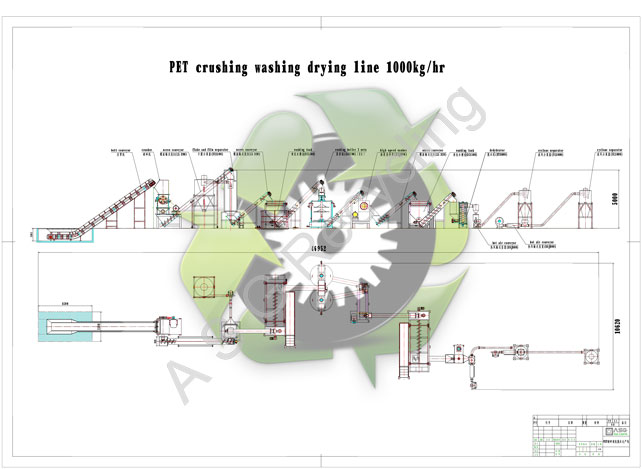
[click to enlarge PET Recycling Line Diagram]
PET Bottle Recycling Line Machinery
Below is a list of recycling equipment used in our PET bottle recycling lines in order. While machinery used are the same across various models of PET recycling lines, the capacity of each piece of equipment as well as the use of multiple equipment will differ based on your specifications for capacity and quality of PET flakes.
- Bale Opener
- Rotary Trommel
- Shorting Belt w/ Metal Detector
- Wet Grinder
- Label Remover
- Sink-Float Separation Tank (2x)
- Hot Steam Washer
- Friction washer
- De-watering / Centrifugal Dryer
- Hot Air (Thermal) Spiral Pipe Dryer
- Product Silo
- Electric Control Cabinet w/ PID Central Computer
- Water Filtration / Recycling System
*Screw and belt conveyors are used to connect each piece of machinery.
Typical PET Flakes Quality
Our standard PET bottle recycling produces PET flakes that are highly decontaminated via the most environmentally friendly practices using the lowest possible amounts of water and manpower.
- Moisture: < 1%
- Bulk density: < 0.3G/CM3
- Total impurity: < 100ppm
- PVC content: < 40ppm
- Metal content: < 10ppm
- PE/PP content: < 50ppm
- Particle size: < 14-16mm
Images
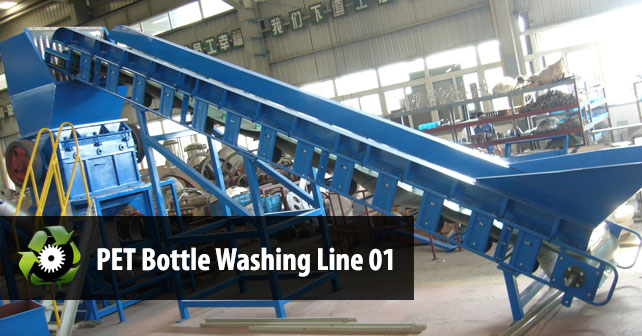
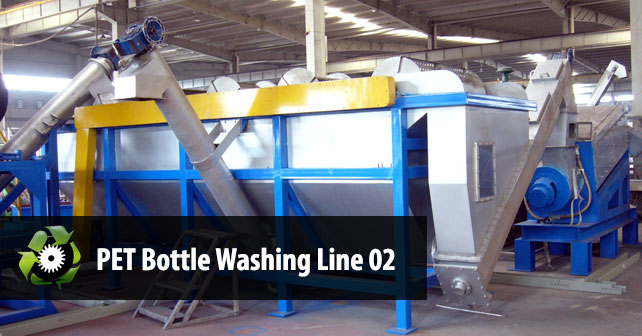
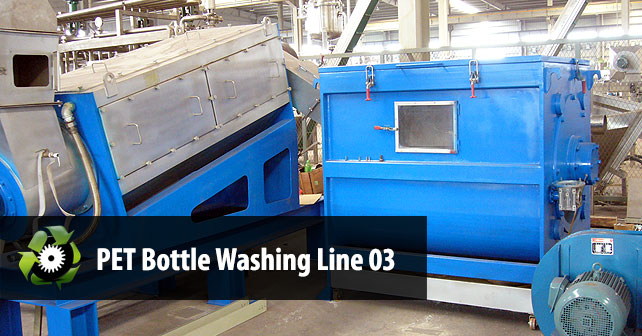
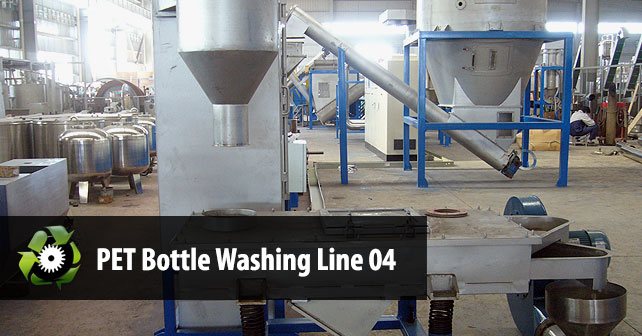
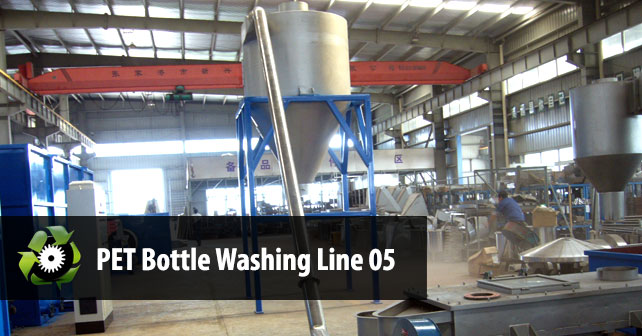
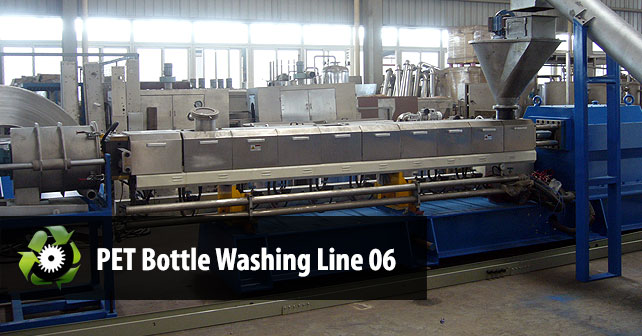
Place An Order
The general lead time for all single-piece, standard equipment orders is 30 days. For custom orders or complete washing lines, the lead time is between 60 – 90 days. The actual lead time will depend heavily on the complexity of the project as well as the amount of machinery we have in queue at the time of your order.
Contact us to discuss pricing and ordering details. Here is a brief summary of our ordering procedures.
Frequently Asked Questions
What bottle types can the PET recycling line process?
The line handles typical post-consumer PET bottles, such as water bottles, soda bottles, and oil bottles, across various contamination levels. Tell ASG the bottle types and the contamination you expect (labels, caps, dirt, PVC) so the line can be custom-tailored: pre-sorting, label removal, and washing intensity are all configured around your feedstock.
What capacity options are available?
The standard line covers 500 to 3,000 kg/h, with the 1,000 kg/h configuration shown in the diagram as a common reference. Higher capacities are achievable by scaling key machines, such as granulators, washers, and dryers, or by running parallel lines. Capacity is set from your desired output and the quality grade of RPET flakes you target.
What quality of PET flakes does the line produce?
Standard output flakes test at under 1% moisture, under 100 ppm total impurities, under 40 ppm PVC, under 10 ppm metals, and under 50 ppm PE/PP, with a particle size of 14-16 mm and bulk density under 0.3 g/cm³. The sink-float tanks, hot steam washer, and friction washer working in sequence are what deliver this decontamination level.
How does the line integrate with downstream processing?
The line ends at the product silo with clean, dry flakes ready for polyester staple fiber spinning, PET strapping, sheet and film extrusion, bottle-to-bottle use, or pelletizing into granules. If you plan to pelletize, the flakes feed directly into a pelletizing line. Discuss your end product with ASG so the flake specifications match your downstream requirements.
What power, water, and installation needs should I plan for?
Exact installed power depends on capacity, since larger lines multiply granulators, washers, and dryers. The line recirculates process water through its filtration system to keep consumption low, and a PID central computer manages the electric control cabinet. Plan a level industrial floor, three-phase power, and space for bale storage and flake silos.
What maintenance does a PET bottle recycling line require?
Granulator blades and screens are the primary wear items: inspect them daily and resharpen or replace them on schedule. Check conveyor belts, dryer bearings, and washer screens regularly, and keep the water filtration system clean to protect flake quality. ASG supplies operational manuals, spare parts, and remote support for routine servicing.